Opening Hours
Opening Hours
CAFx Halmtorvet 27
Closed
Open



We called the idea of being able to place a building on a site in Copenhagen or Abu Dhabi global. We called the architect creating as if in a vacuum an artist ordained with free expression. We filed it all under the rubric of freedom. The site was a ground zero, where forms could freely be erected. The knowledge that architecture always transforms the world and its surroundings was suppressed and forgotten.

The fact that every act is an intervention—into landscapes, into ecosystems, into cultural memory—was hidden behind gleaming facades. Now, we ask ourselves about the value of the modernist monuments to free creation and of an architecture of severed connections.
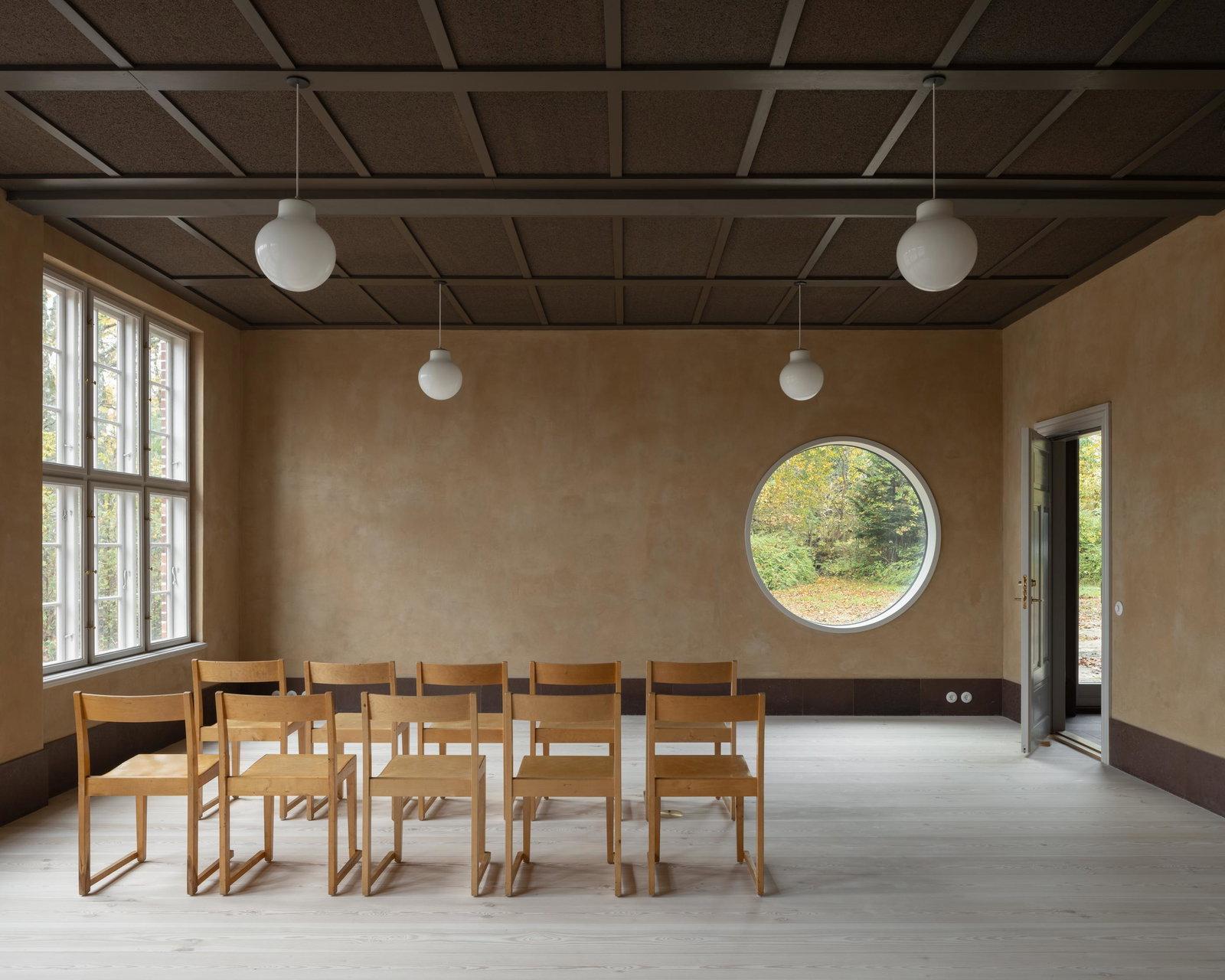
Djernes & Bell's work is an example of an architecture deeply anchored in place—an architecture that lets us think about transformation differently. An architecture grounded in the deep cultural, biological, and geological histories that humans, sites, and buildings belong to. With the Hedeskov project, Djernes & Bell transformed a former rural school in Djursland, Denmark, into the headquarters of Hedeskov Center for Regenerative Practice.

The approach is interdisciplinary, emphasizing the necessity of collaborating with scientists, local craftsmen, anthropologists, foresters, and ecologists when building in a fragile world.
As much as the Hedeskov Center shows what the transformation of a building can look like, it shows us what a building essentially is: a repository of techniques, craft, and memory.
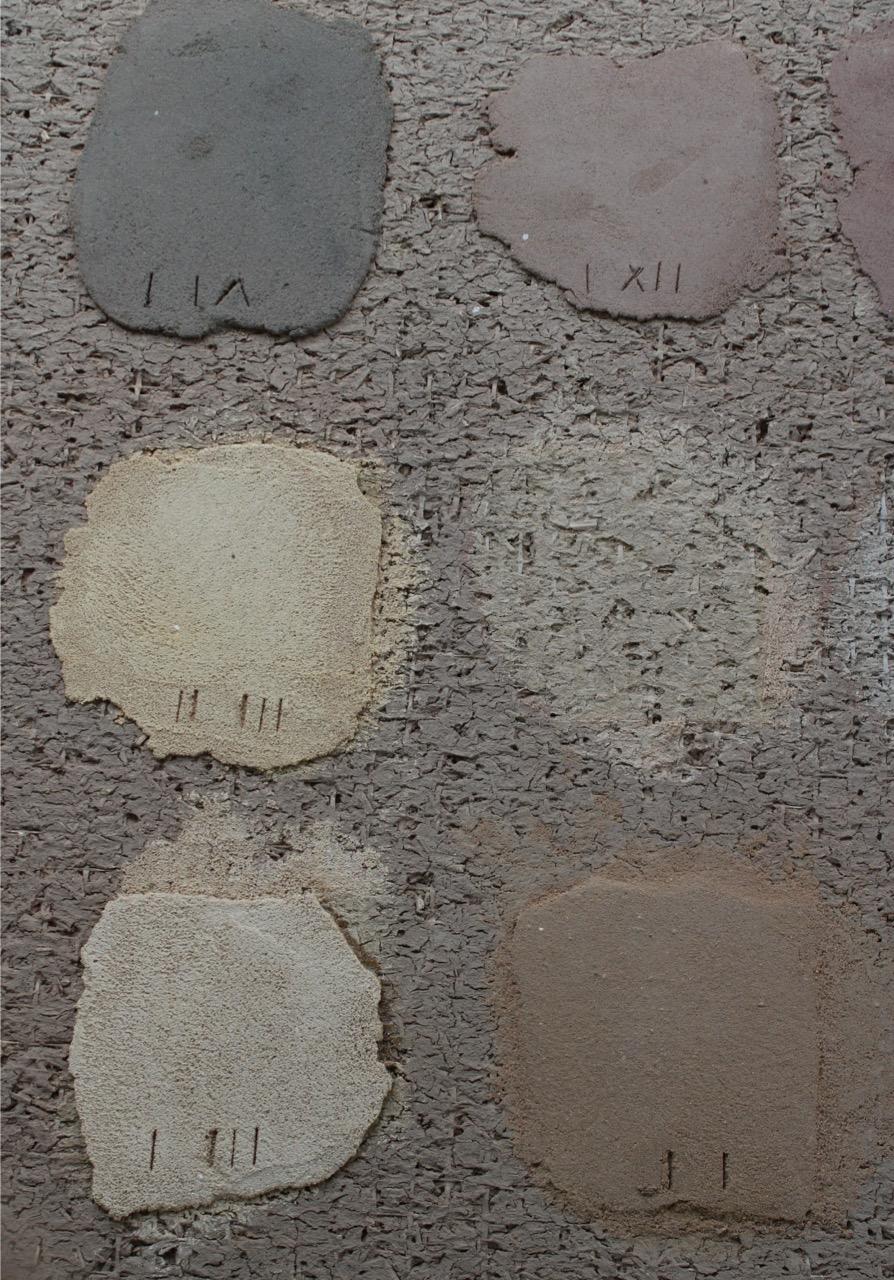
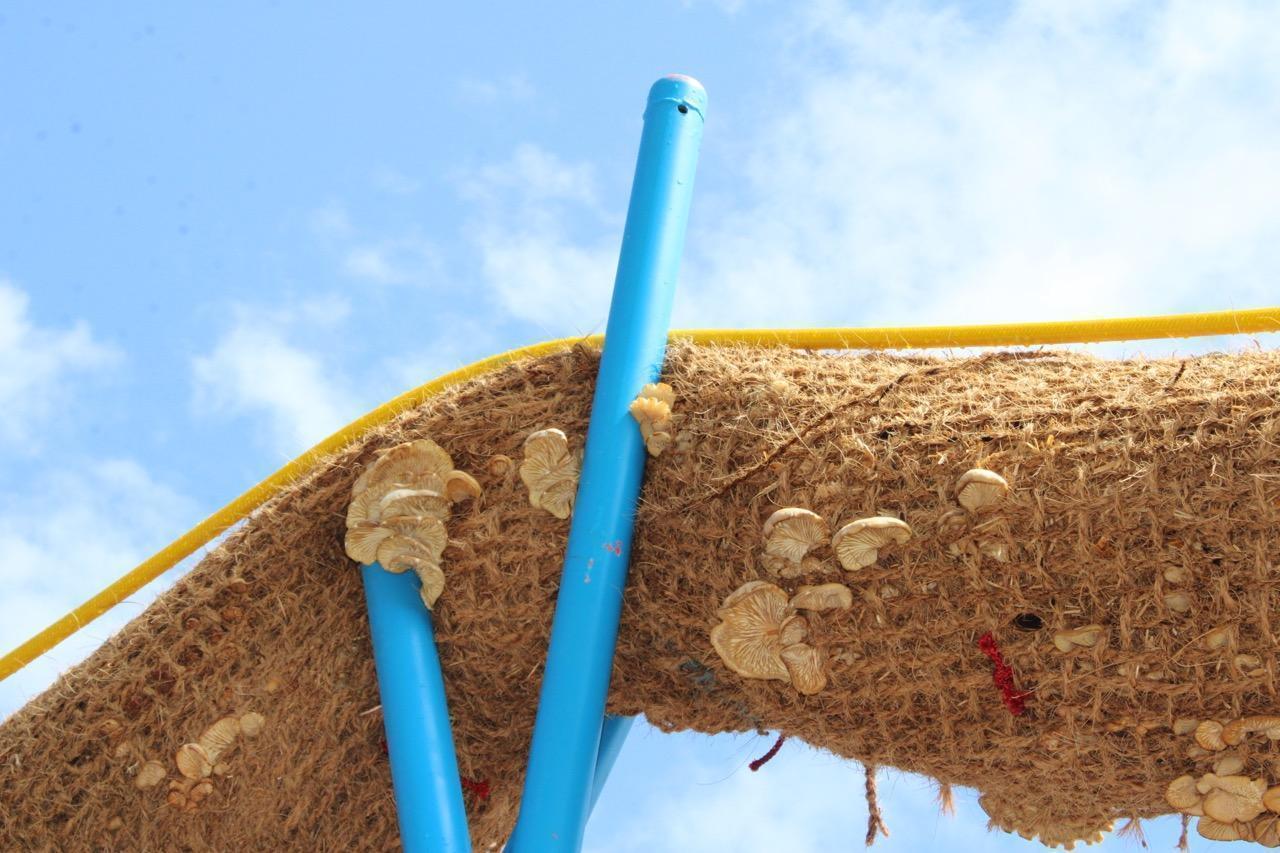
Materials like moraine clays, typha fiber, and lumber were used, integrating traditional bindingsværk crafts with site-based materials from the landscape and existing buildings. Clay plaster, naturally yellow from iron-oxide-rich sand found on-site, colors the walls. Bulrush from waterways and stones from nearby fields have been made part of the building body. So too have hemp shives, chalk, and gravel. Working with the immediate surroundings necessitates new forms of mapping, as well as reviving vernacular methods. It means using traditional crafts alongside new scientific measuring tools.
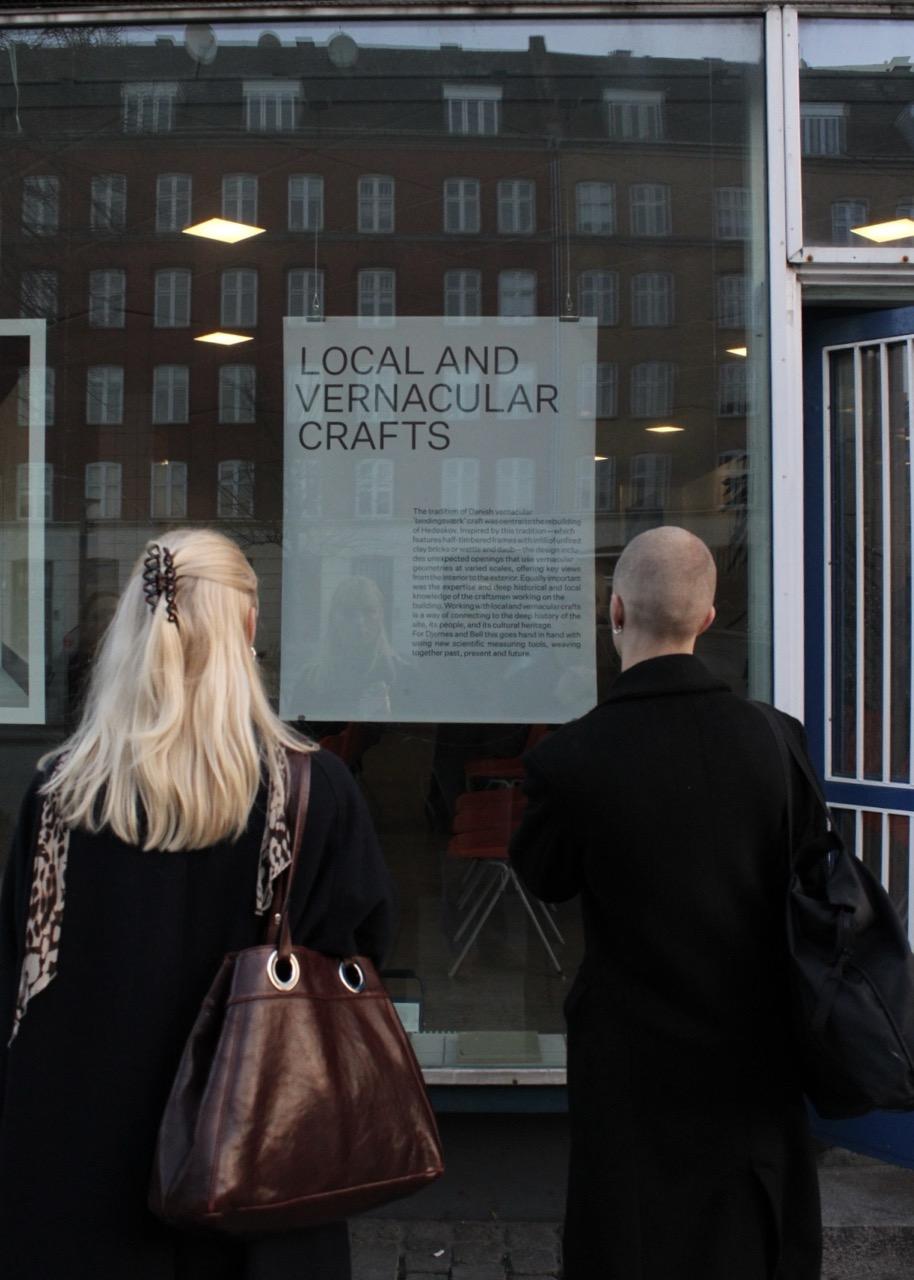
What makes Hedeskov valuable is the knowledge it creates and makes us remember. It reminds us that all architectural actions are transformations and that architecture is a relationship, not an object. Transforming through care means acknowledging our deep connection to our surroundings but also to the past. Building for the future means passing on a livable ecology for all species.
About the Exhibition
CAFx team: Josephine Michau, Pernille Maria Bärnheim, Søren Nørkjær Bang, Ida Willadsen Bang Kjeldsen, Johann Sten Nielsen, Gerd Dahl, Maeve Collins, Justlugonja/Stanko Lugonja
Djernes & Bell team: Justine Bell, Jonas Djernes, Asger Højlund Olesen, Sophia Grotum, Lukas Donnerup, Philip Mar Serejo
Hedeskov team: Sofie Aagaard, Jørn Aagaard, Jette Søndergaard
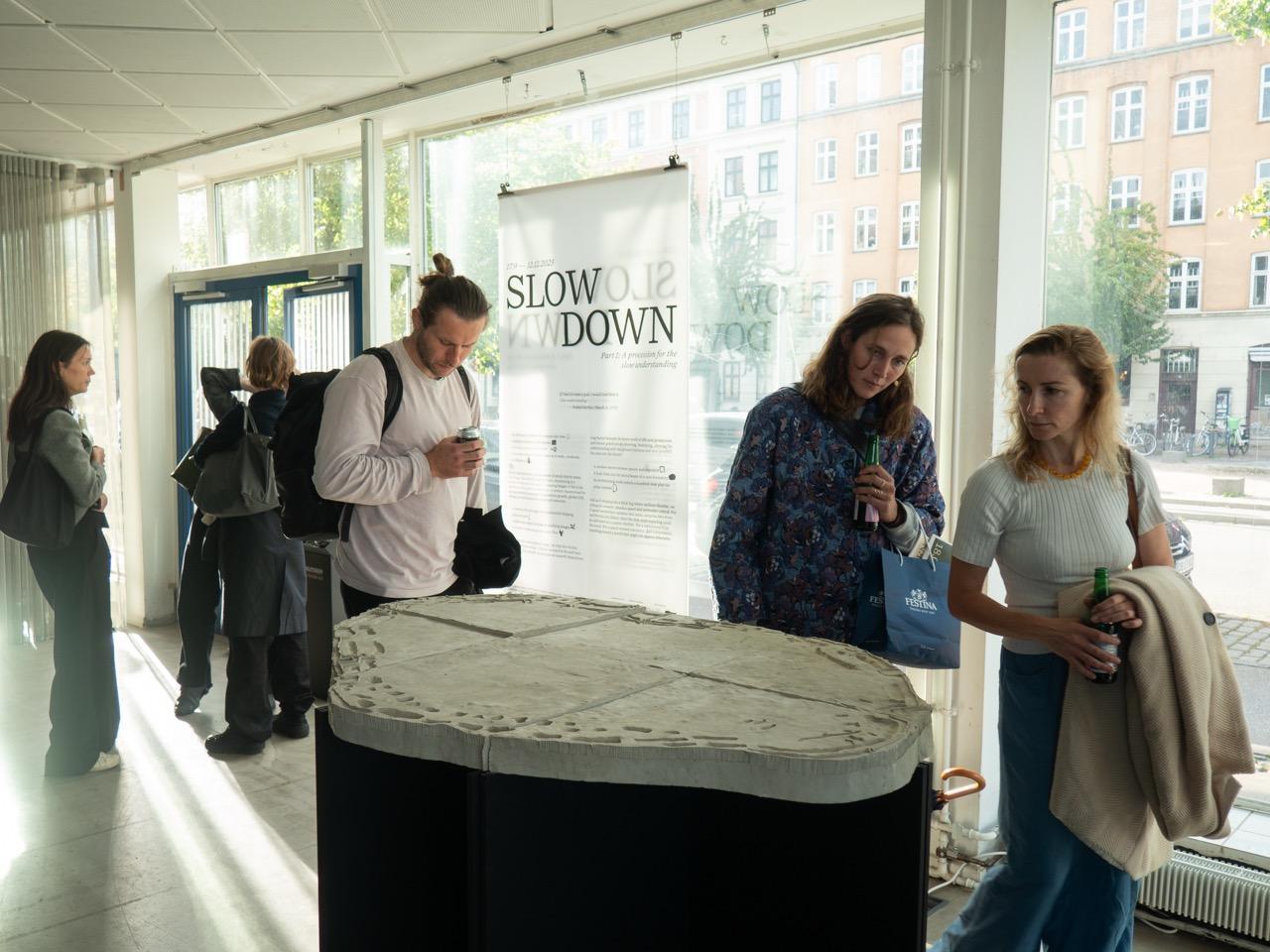
Slow Down
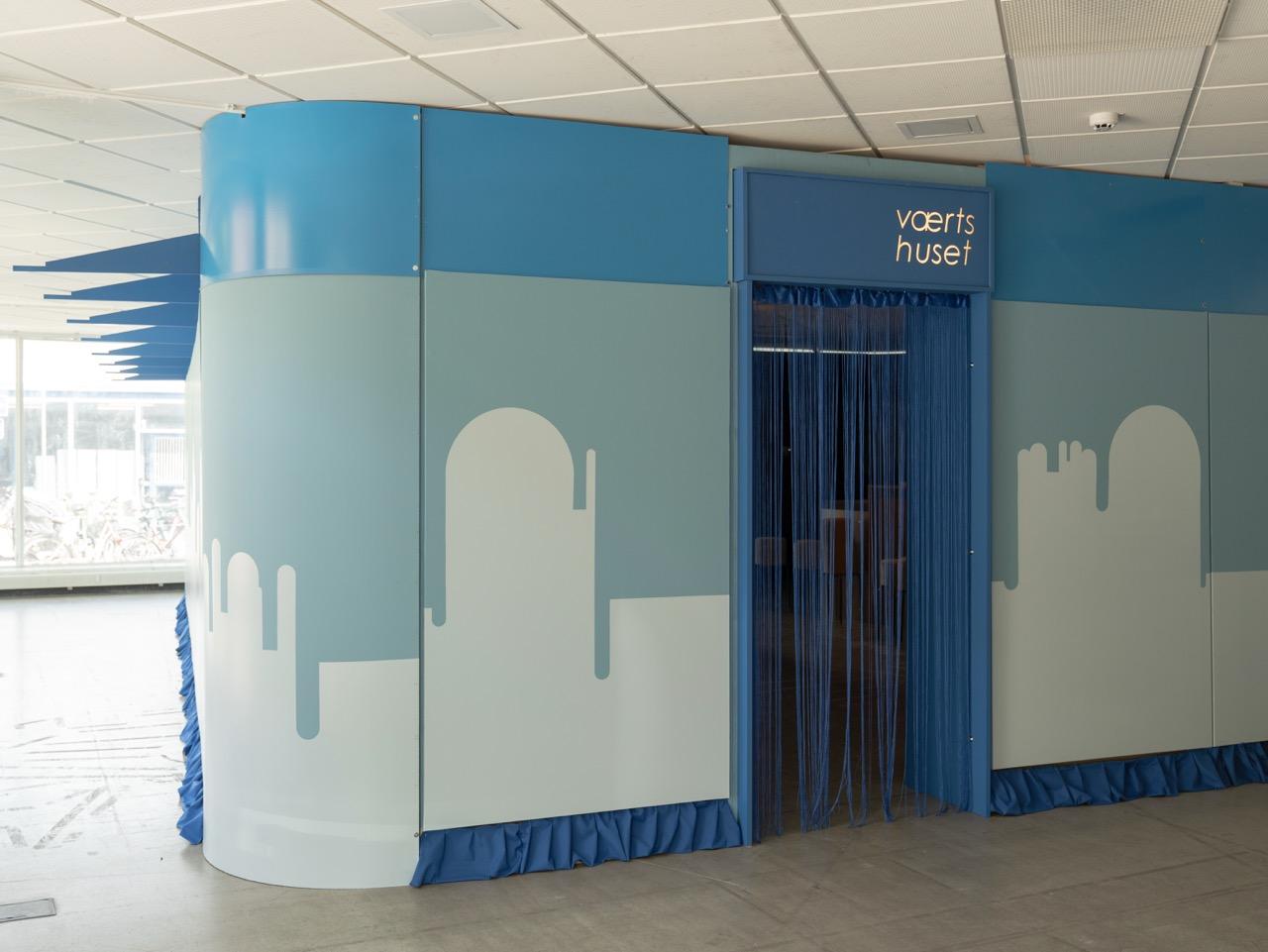
værtshuset
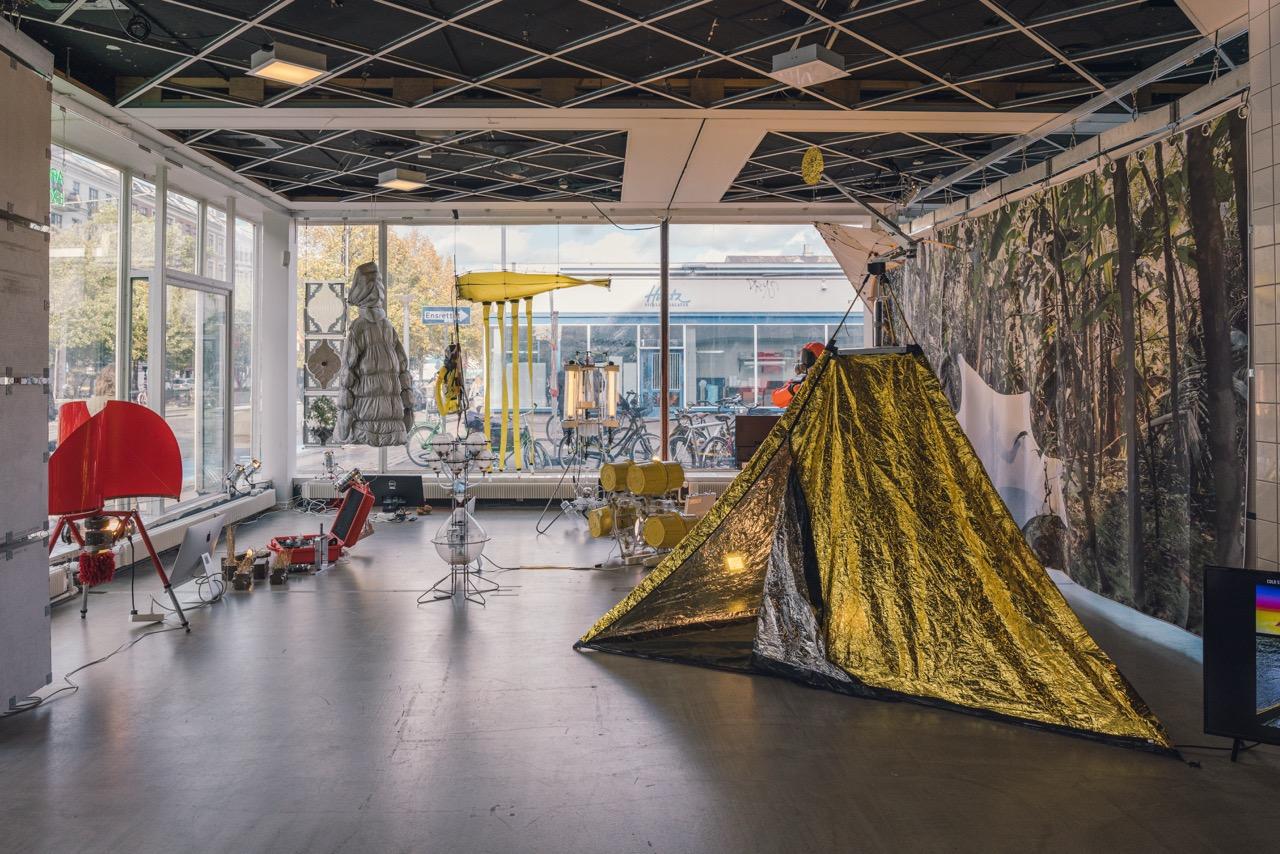
Architecture and Extreme Environments Exhibition
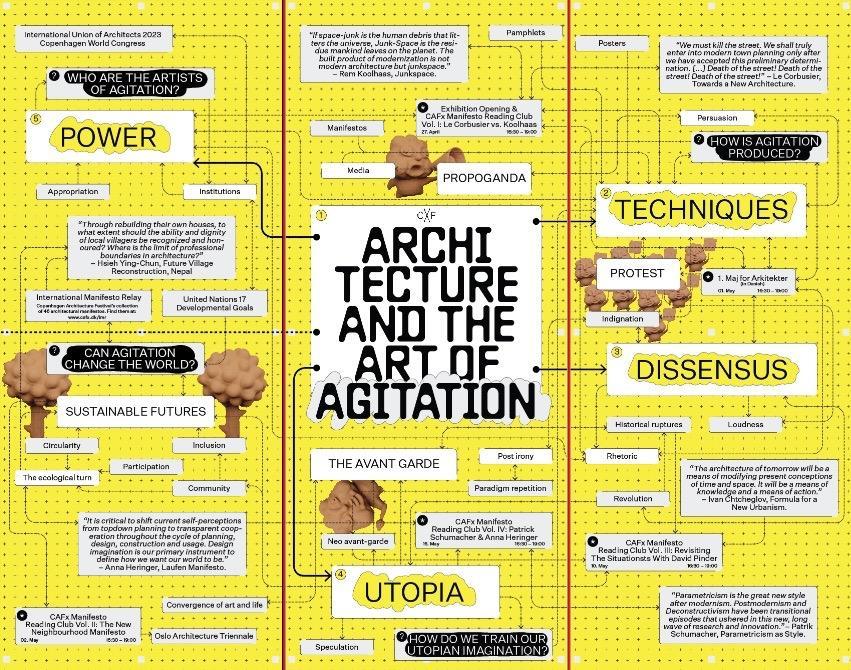
Architecture and the Art of Agitation
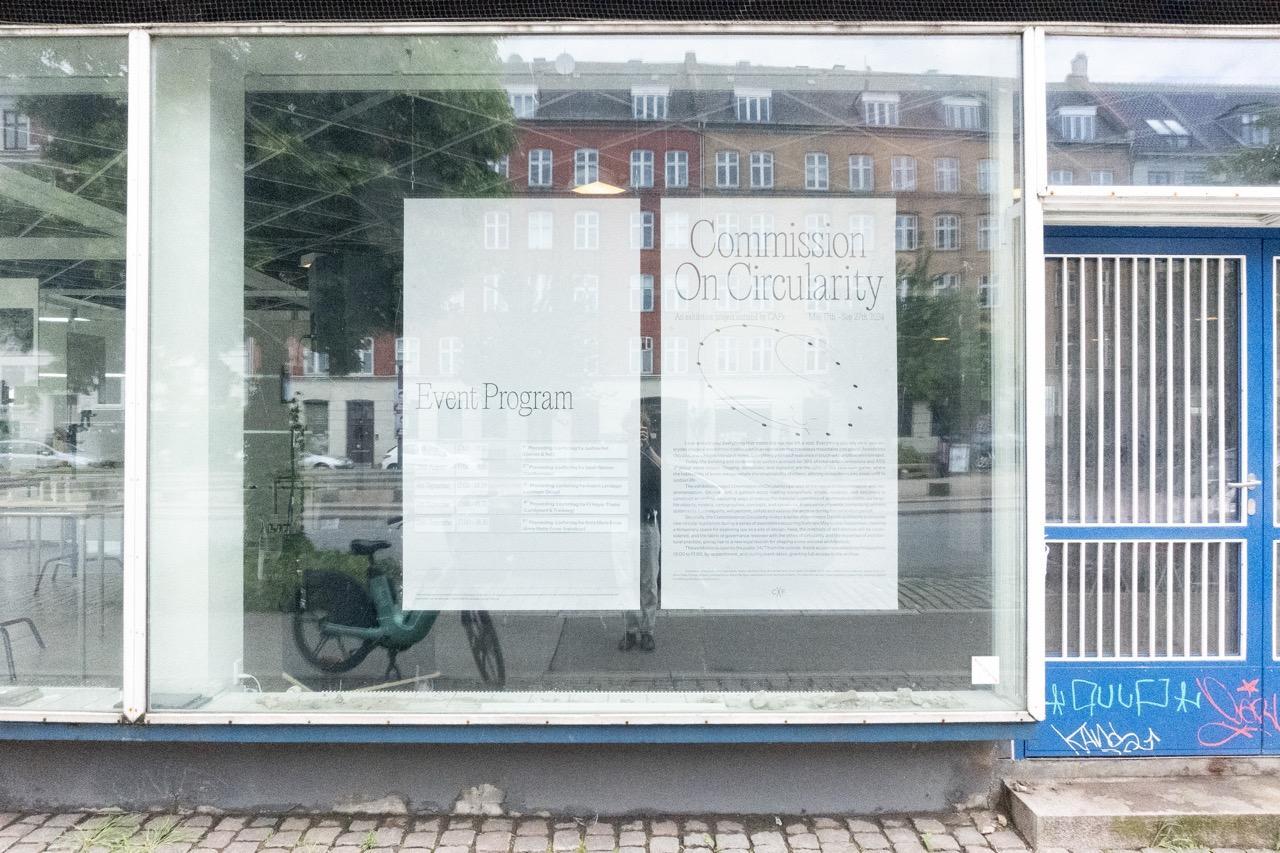
Commision on Circularity
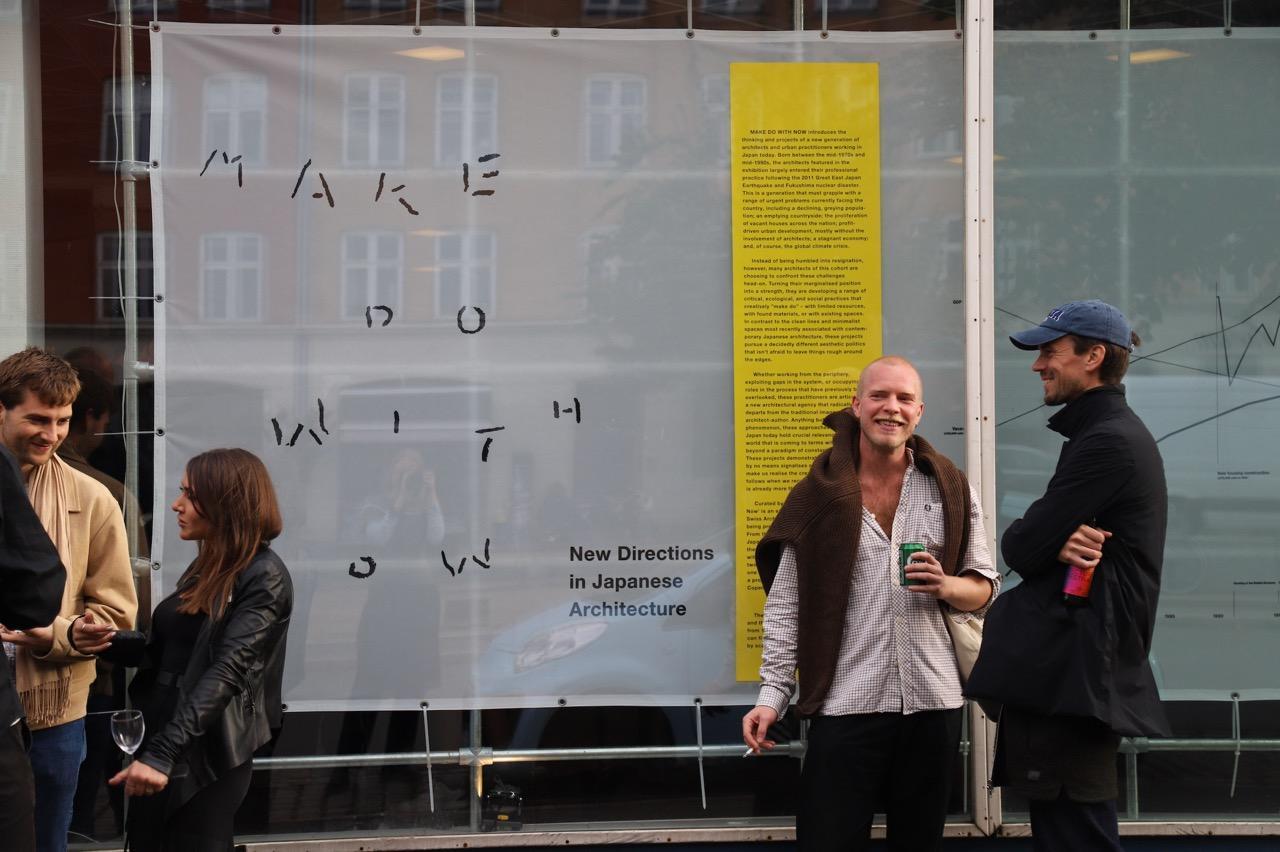
Make Do With Now: New Directions in Japanese Architecture
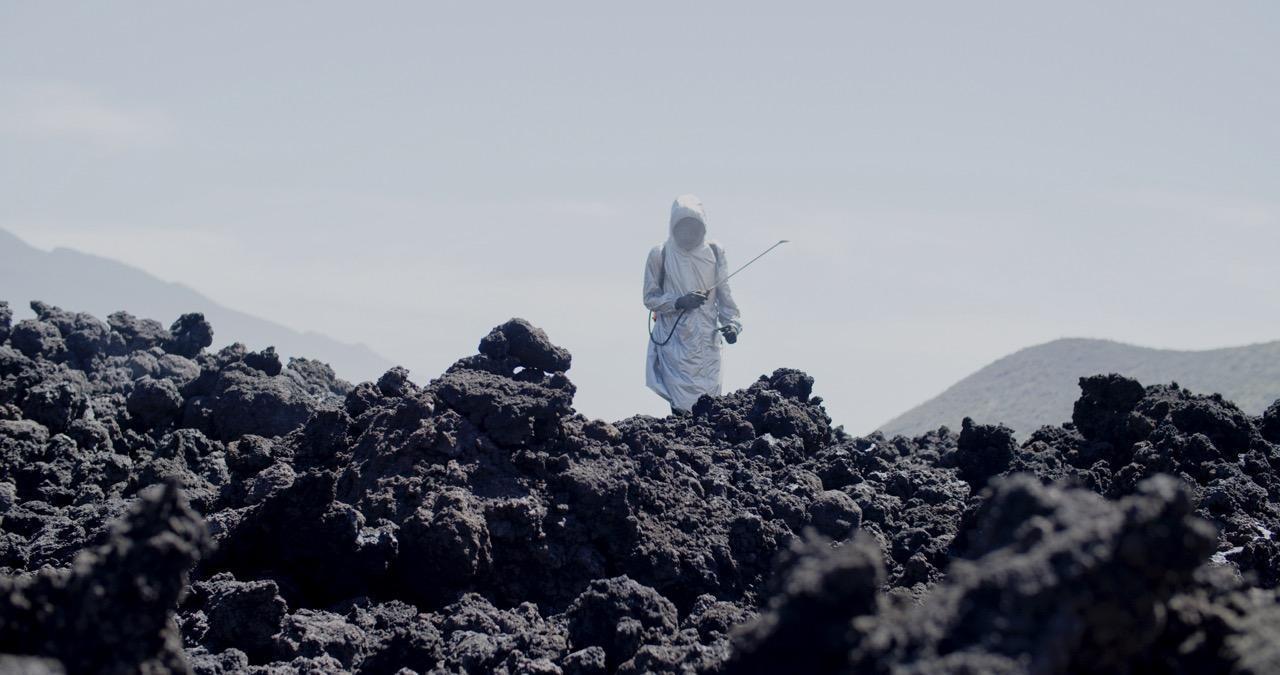
Foodscapes

Strange Adaptions
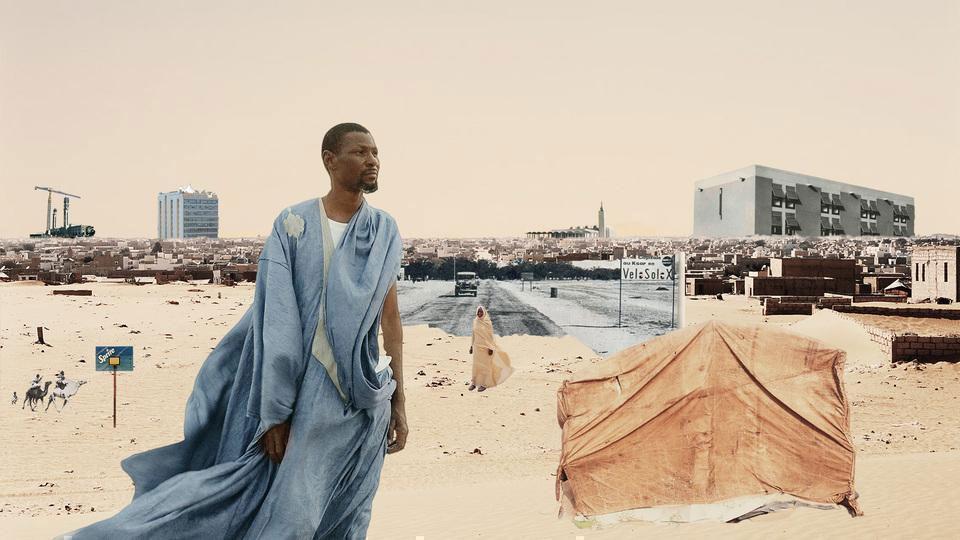
Tales of a Nomadic City
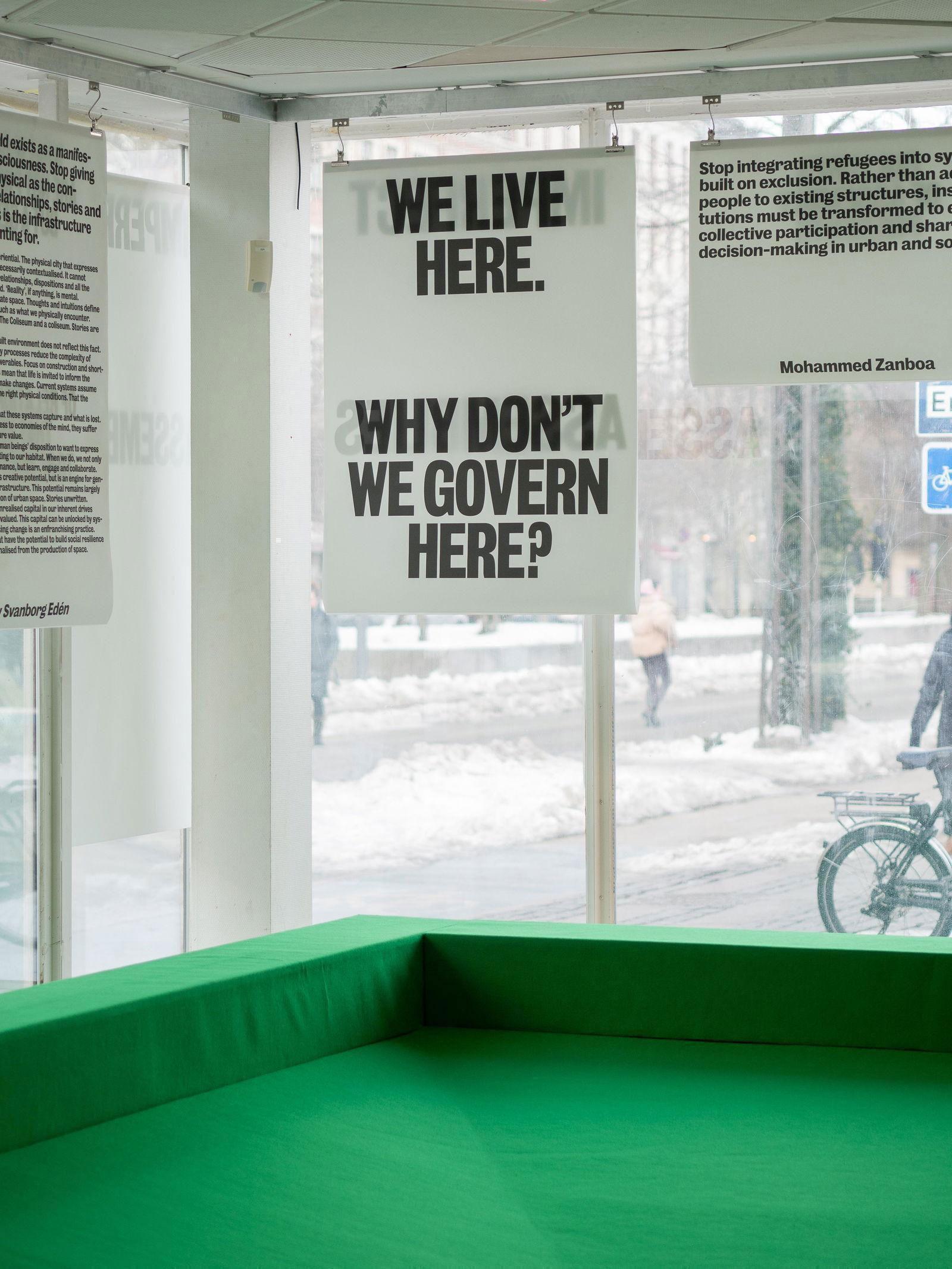
Imperfect Assemblies: Towards New Civic Infrastructures