Opening Hours
Opening Hours
CAFx Halmtorvet 27
Closed
Open



Across Europe and beyond, democratic institutions are facing unprecedented strain. Trust in governance is eroding, polarization is rising, and collective action is increasingly fragmented. Right-wing populism, disinformation, and algorithmically driven echo chambers have unsettled the legitimacy of representative institutions. Yet these crises are not only political—they are also spatial. The way cities are designed, built, and governed often excludes many of the people who inhabit them. Public spaces that should foster civic exchange now feel privatized, overregulated, or surveilled, and even symbolic sites of democracy—parliaments, town halls, or other spaces of representation—have become distant from citizens and everyday life. In such a context, the question arises: What should the architecture of democracy look like today? What infrastructures and institutions can support not only civic participation but also care, solidarity, and belonging?
Political theorist Rahel Süß observes that contemporary democracies are marked by a pervasive anxiety rooted in uncertainty, social fragmentation, and a loss of trust in institutions. Rather than merely a symptom of distress, she argues that anxiety is a future-oriented force that can catalyze democratic renewal through creative and collective action. For architects and planners, this means rethinking democracy not only as a set of institutions but as a spatial and cultural practice, exploring local assemblies, grassroots engagement, and everyday interactions that restore trust and cultivate civic imagination.

This is precisely the challenge that the interdisciplinary initiative Cultures of Assembly aims to address since opening our doors in Esch-sur-Alzette (Luxembourg) back in 2021. Originally a research project at the Chair of the City of Esch at the University of Luxembourg, the research initiative is now evolving into a platform for democratic repair, spatial justice, and inclusive urban regeneration.
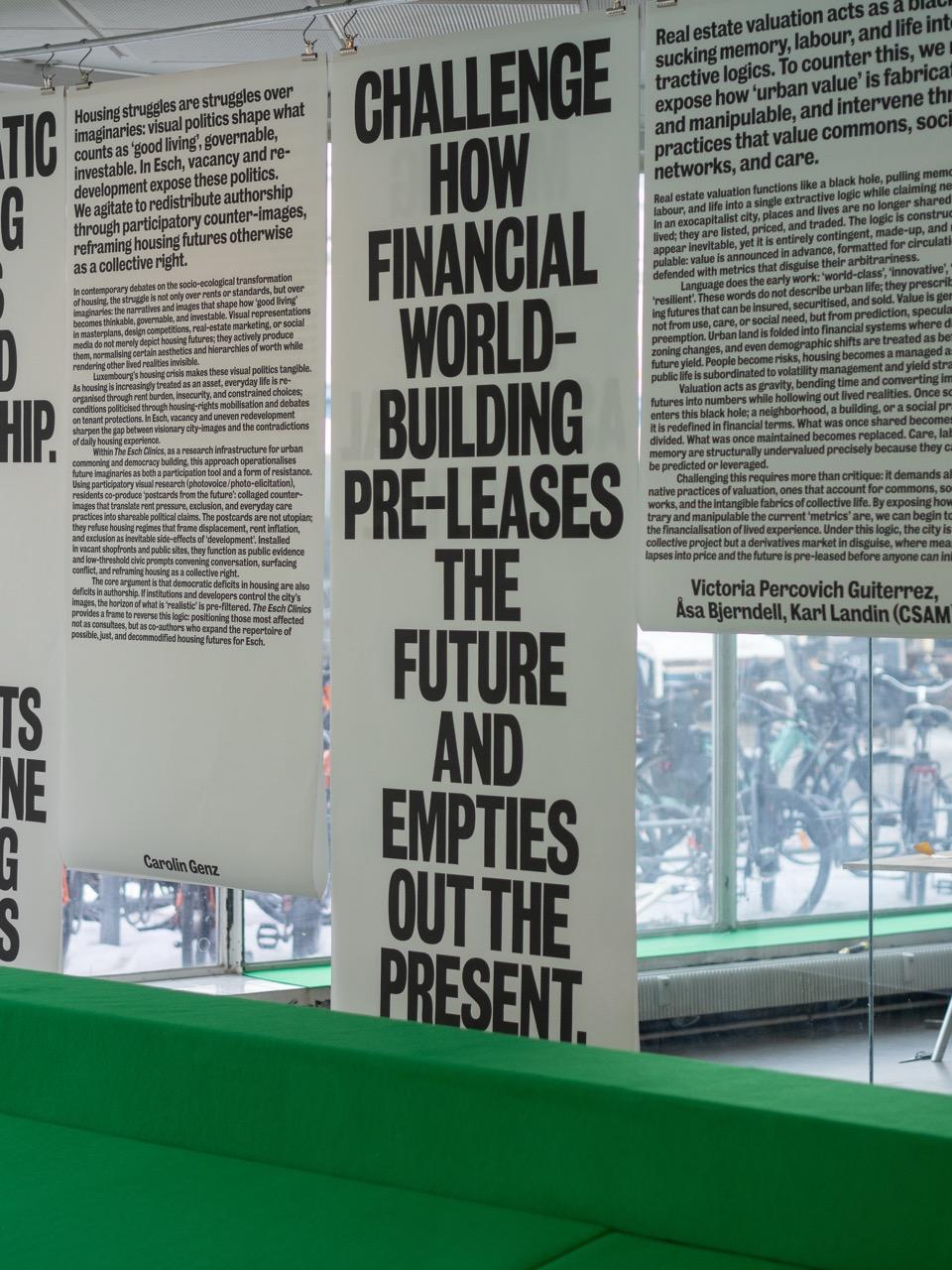
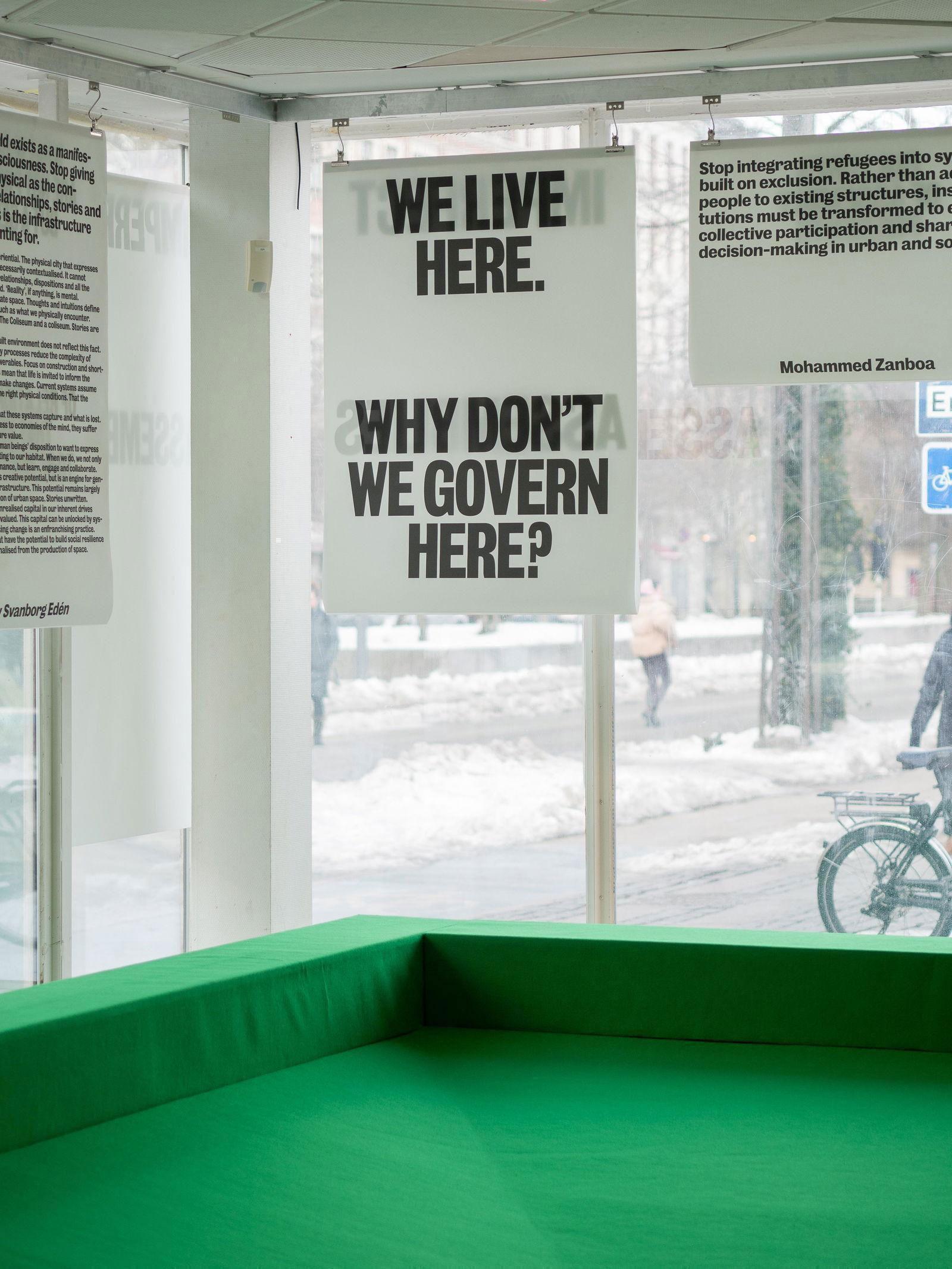
Embedded with the spirit of municipalism—the idea that real political power should live at a local scale—the exhibition Imperfect Assemblies: Towards New Civic Infrastructures brings the first experiences and learnings from Esch-sur-Alzette to Copenhagen, where it is presented both as a spatial and social device. Rooted in the dual premise of our research project titled The Esch Clinics—that spatial practice can both read and construct social infrastructure—this iteration extends the project into a new institutional and political context.
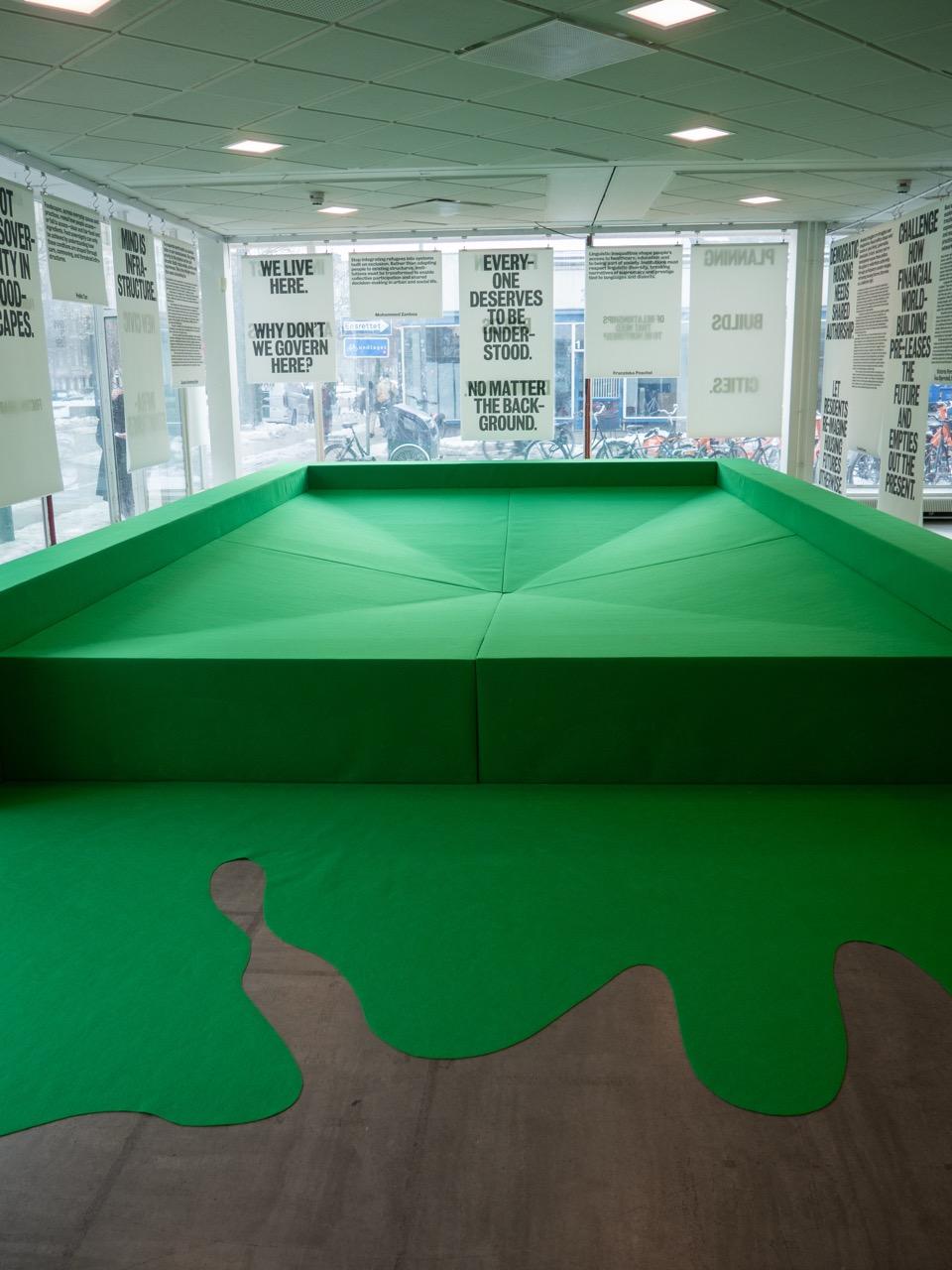
In Copenhagen, architecture is mobilized not merely as representation but as procedure: a method for structuring collective presence, dialogue, and negotiation. Working closely with Vesterbro’s civic associations, the exhibition taps into Denmark’s tradition of associational democracy, positioning COA and CAFx as bridges between formal institutions and local participatory practices. Its three interlocking systems—Assembly Carpet, Fabric of Demands, and Friction Library—invite civic tension, foster discussion, and support collective care through concrete proposals emerging from these conversations.
Coupled with the installation, a discursive program brings together international guest researchers and local actors to develop policy proposals that promote more heterogeneous approaches to urban governance while imagining new narratives that engage the public in meaningful ways. Through its spatial intervention and sequence of public events unfolding over three months, this first international iteration of our project invites local actors, policymakers, and citizens to explore how architectural thinking can inform inclusive and situated forms of urban decision-making.
As Denmark enters an election year in 2026, democratic narratives once again move between ballot booths and broadcast debates. All these events tend to frame democracy into a closed apparatus of procedures, stages, and sanctioned gestures—leaving its softer and more subtle substrates outside the frame of political attention. Imperfect Assemblies: Towards New Civic Infrastructures deliberately turns toward this terrain of informality and imperfect alliances, approaching democracy not as an episodic electoral event but as a continuous, embodied, and spatial practice—one that must be assembled, hosted, negotiated, and cared for in everyday life, beyond the supposedly untouchable limits of representative democracy.
About the Exhibition
The exhibition is devised and curated by Markus Miessen & César Reyes Nájera (Cultures of Assembly, COA).
The exhibition is designed in collaboration with Michaela Prunotto and Gustav Nielsen as part of the Chair of the City of Esch at the University of Luxembourg
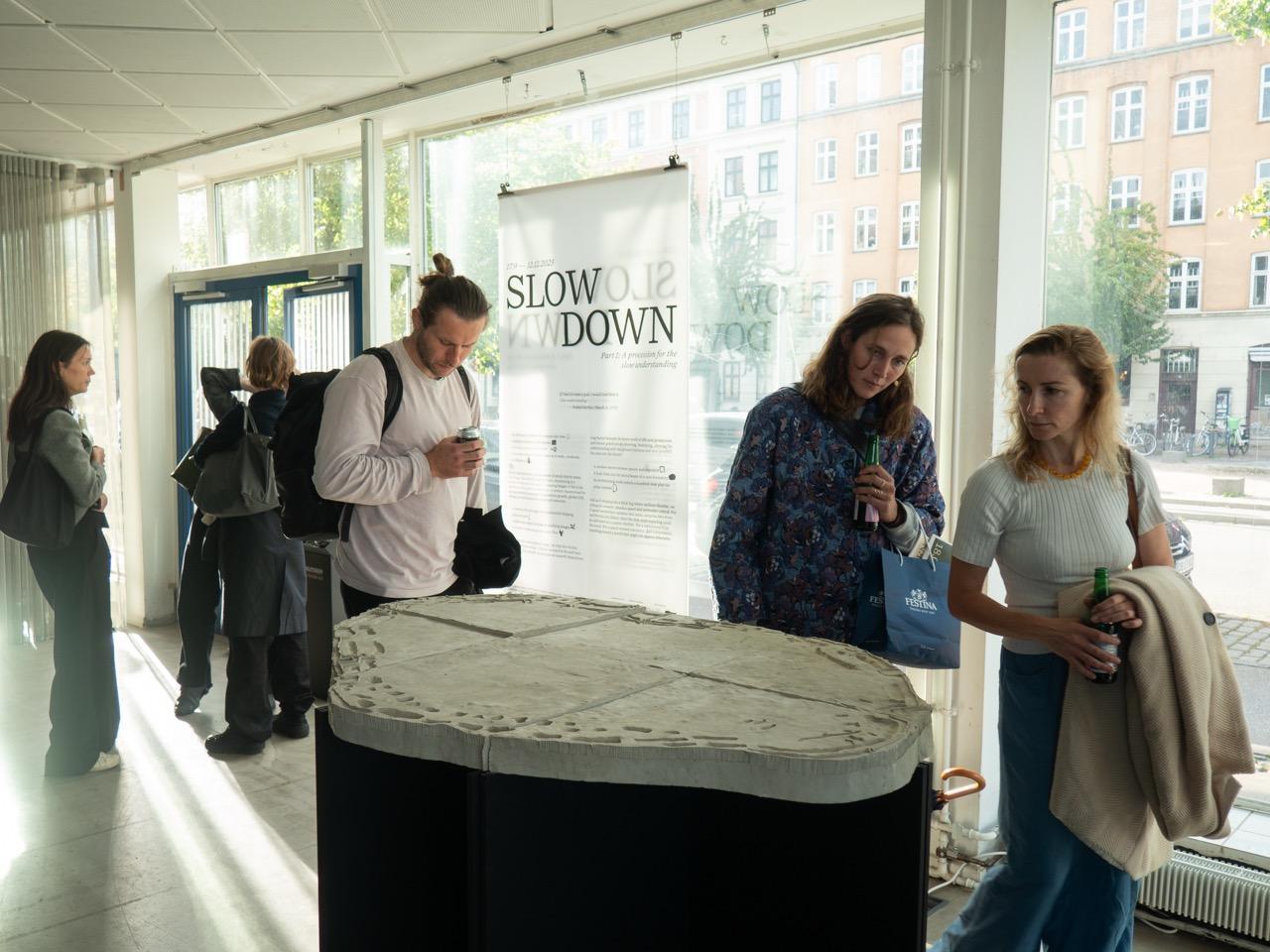
Slow Down
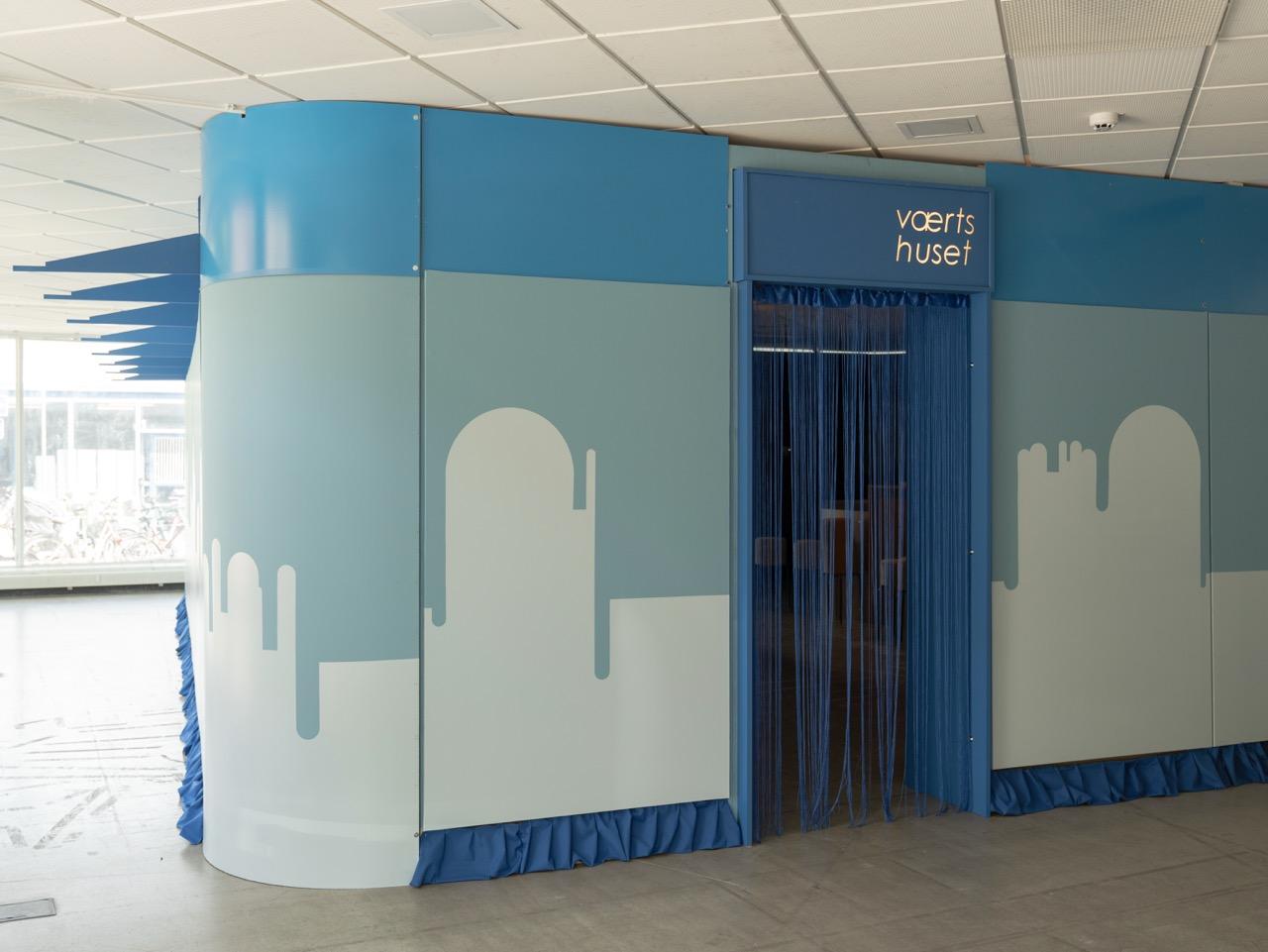
værtshuset
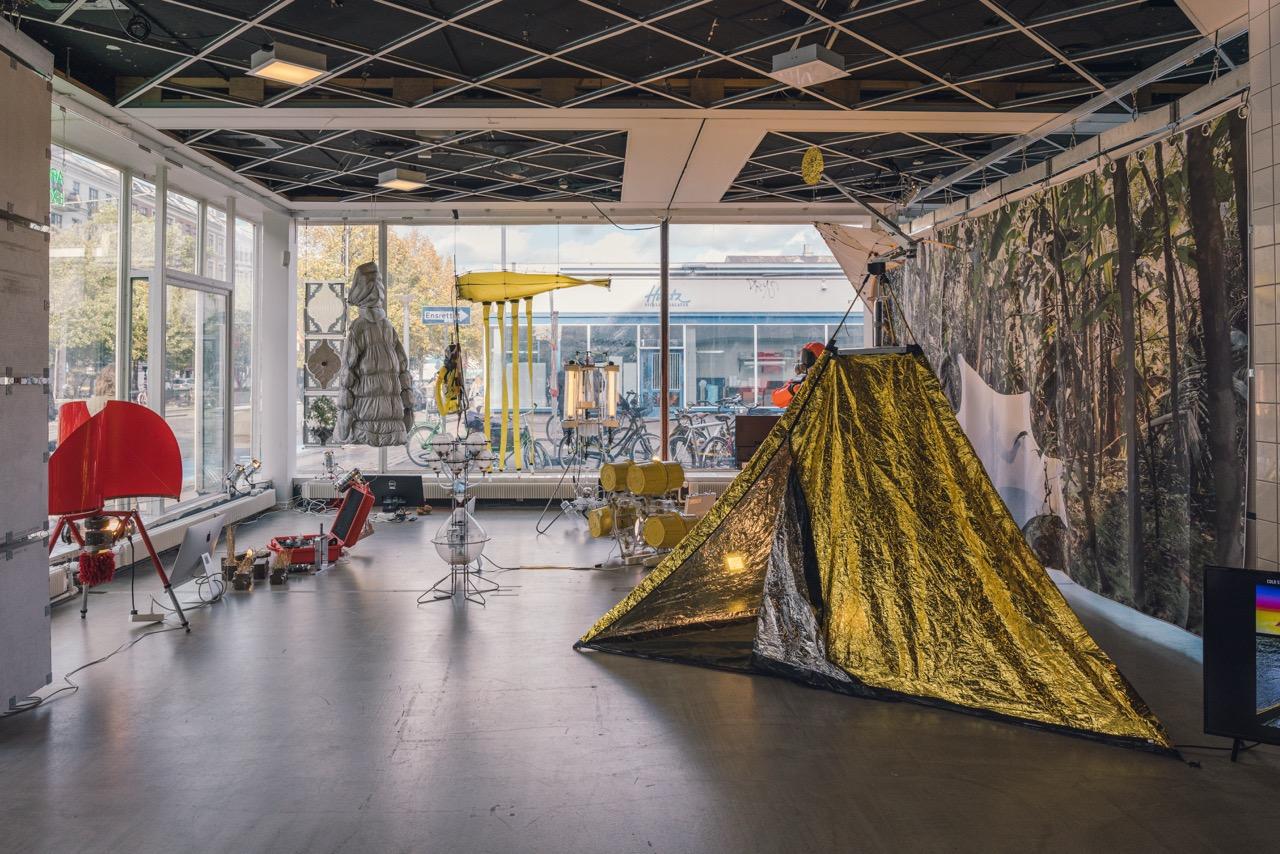
Architecture and Extreme Environments Exhibition
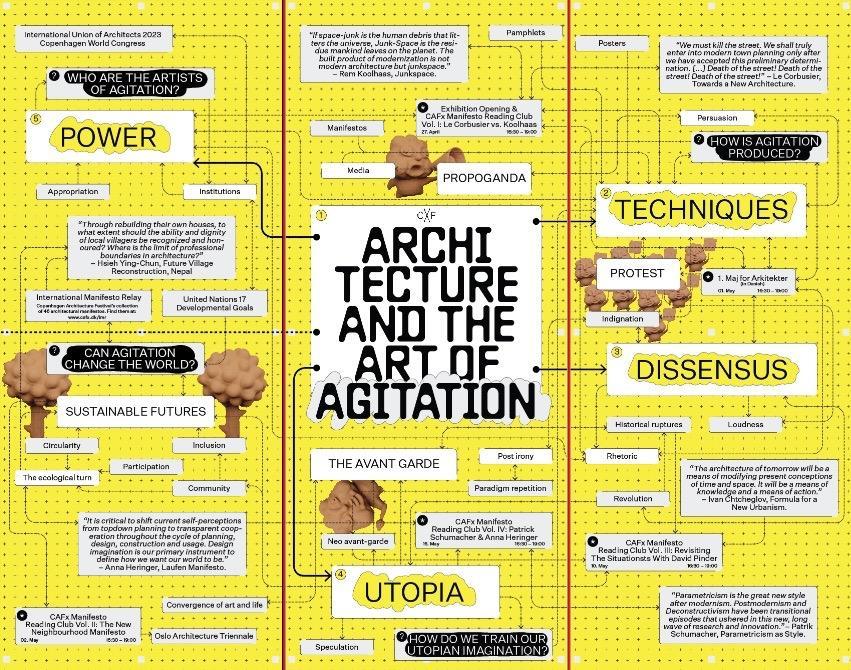
Architecture and the Art of Agitation
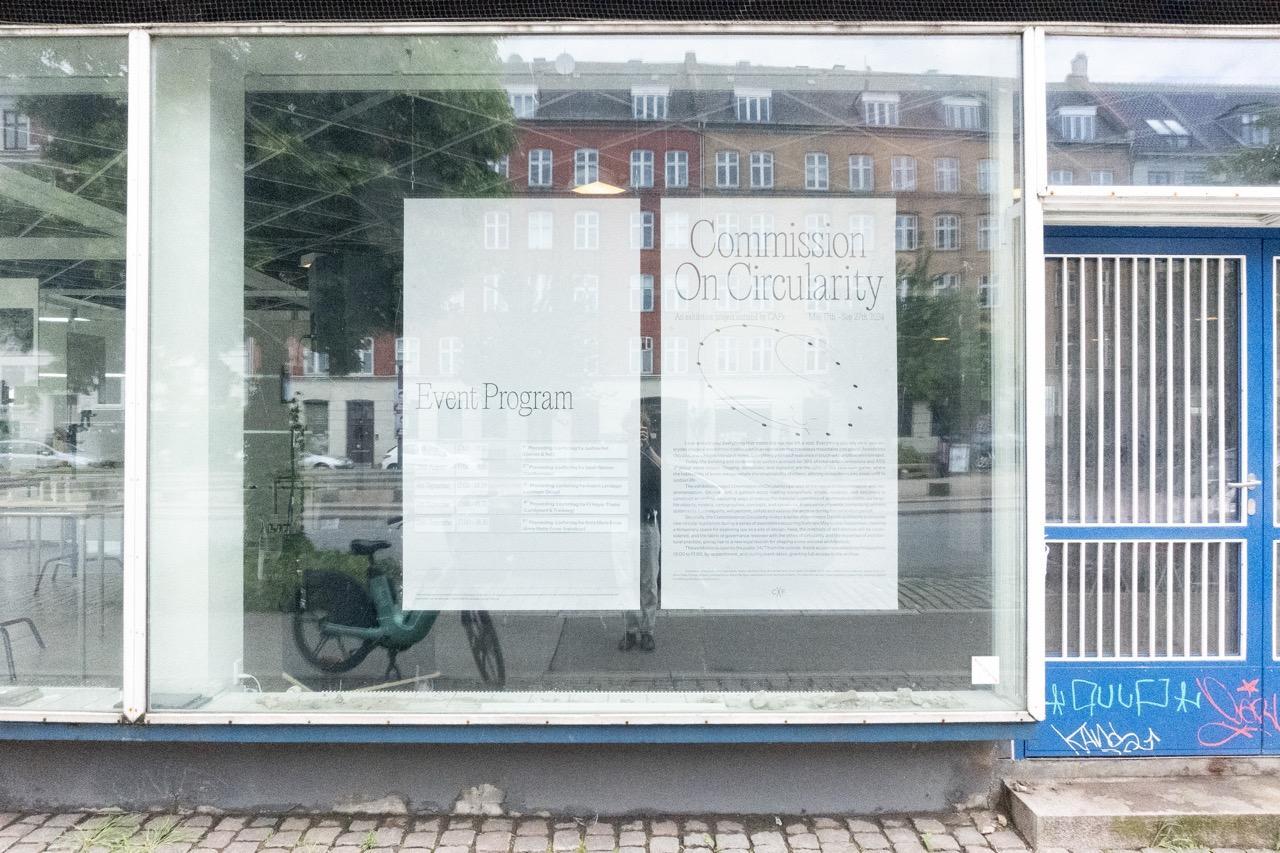
Commision on Circularity
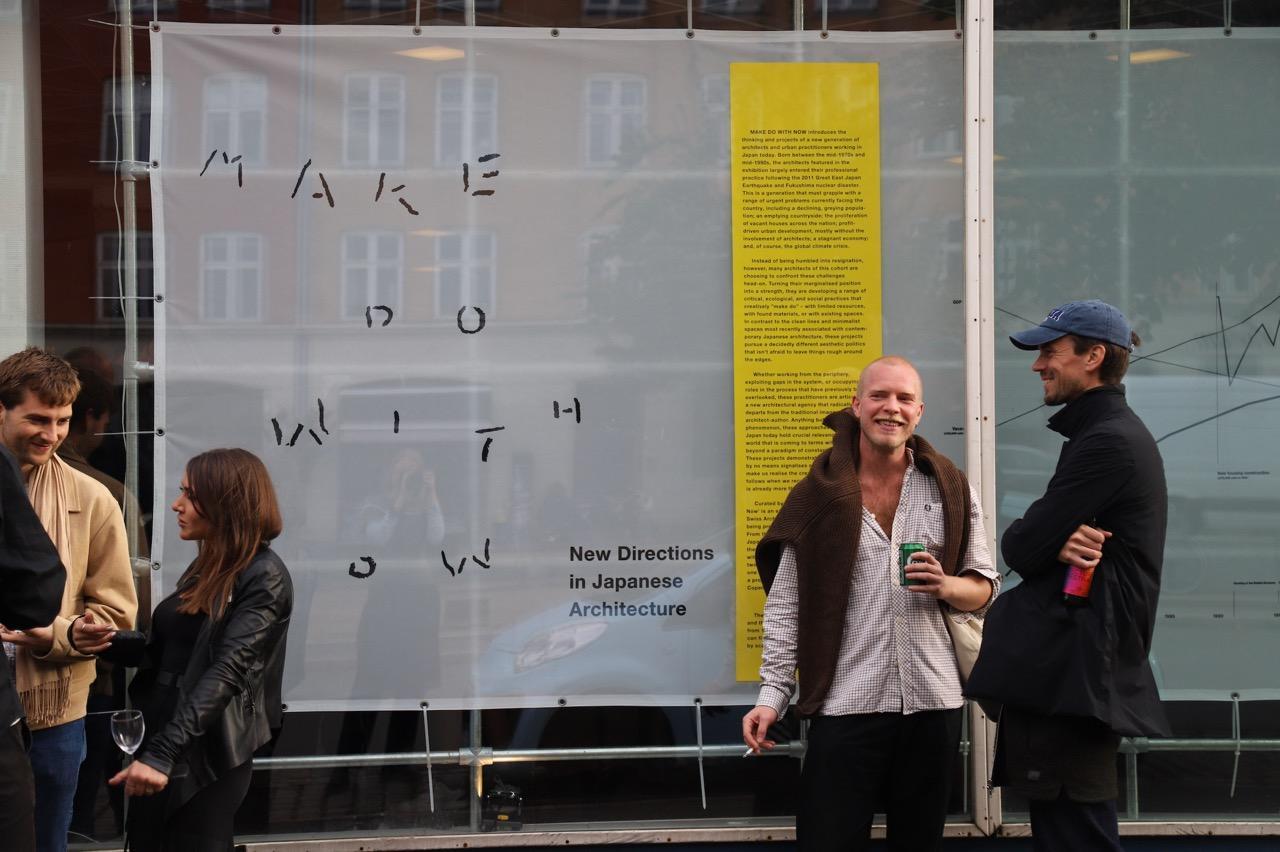
Make Do With Now: New Directions in Japanese Architecture

Foodscapes

Strange Adaptions
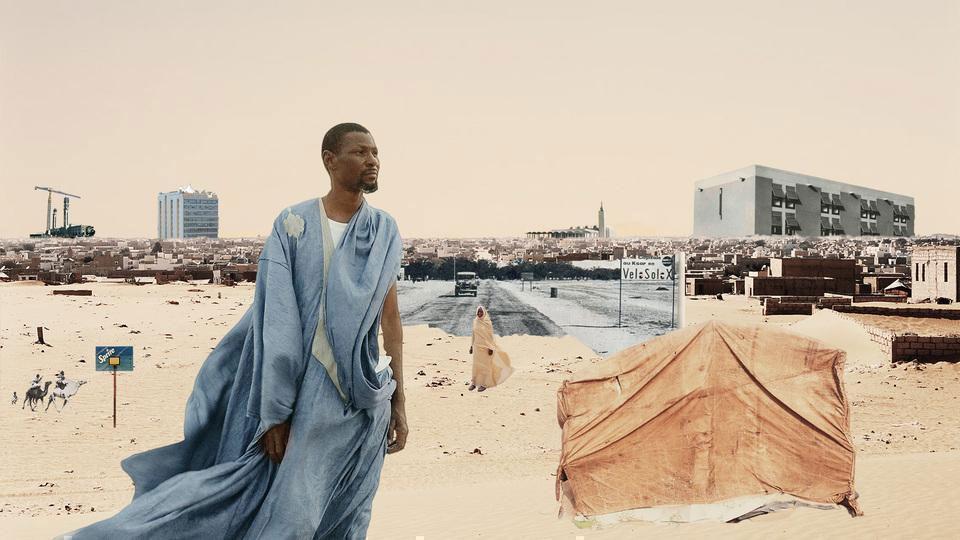
Tales of a Nomadic City

The Habitable Skin