OUR APPROACH
Explore our three-legged approach to making architecture more approachable, exciting and sustainable.
Exhibitions & Inquiry
All year round we do exhibitions at the intersection of art and architecture, events creating new conversations, podcasts making knowledge accessible, literary publications creating new urban imaginaries, a film club screening the best new films about architecture — and more!
Our exhibitions and public programme are fueled by the same idea: Creating new understandings of architecture and making visible its intimate connection to other disciplines and imaginaries. We believe that experimenting is the only way to discover the new and the valuable in the old. Below you will find some of our current projects!
H27
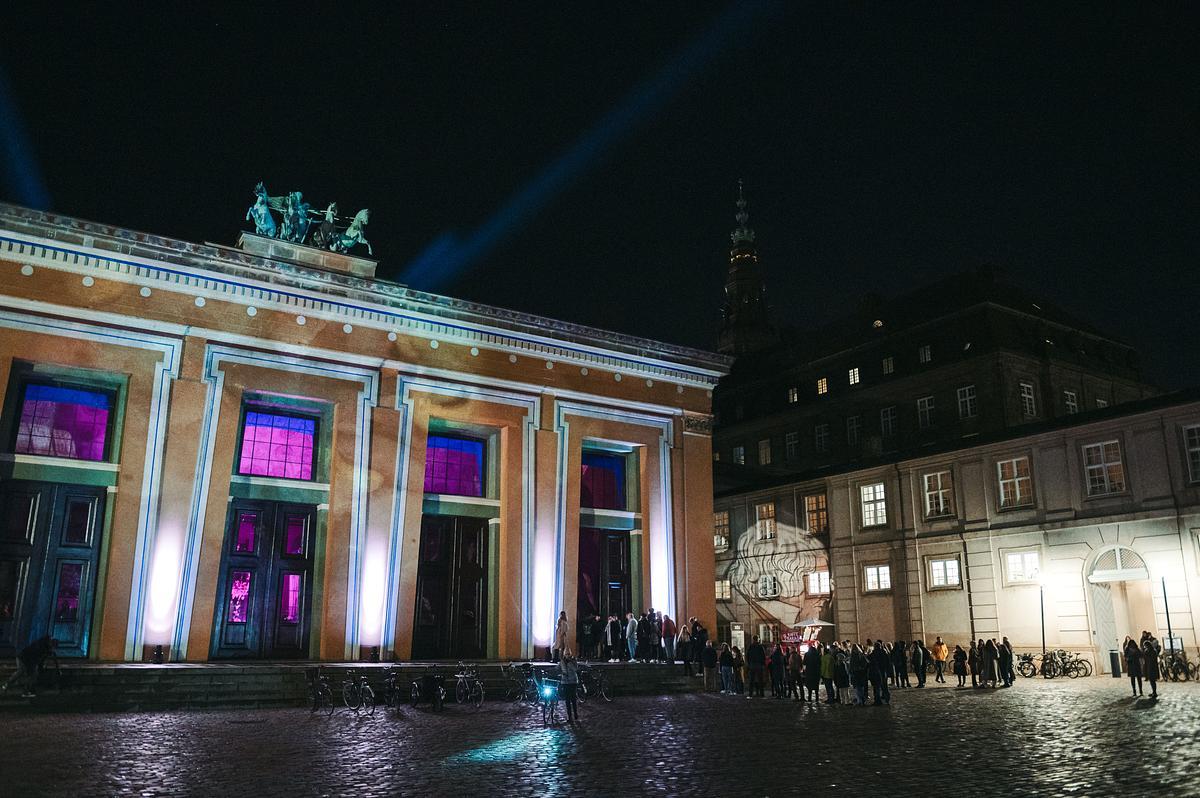
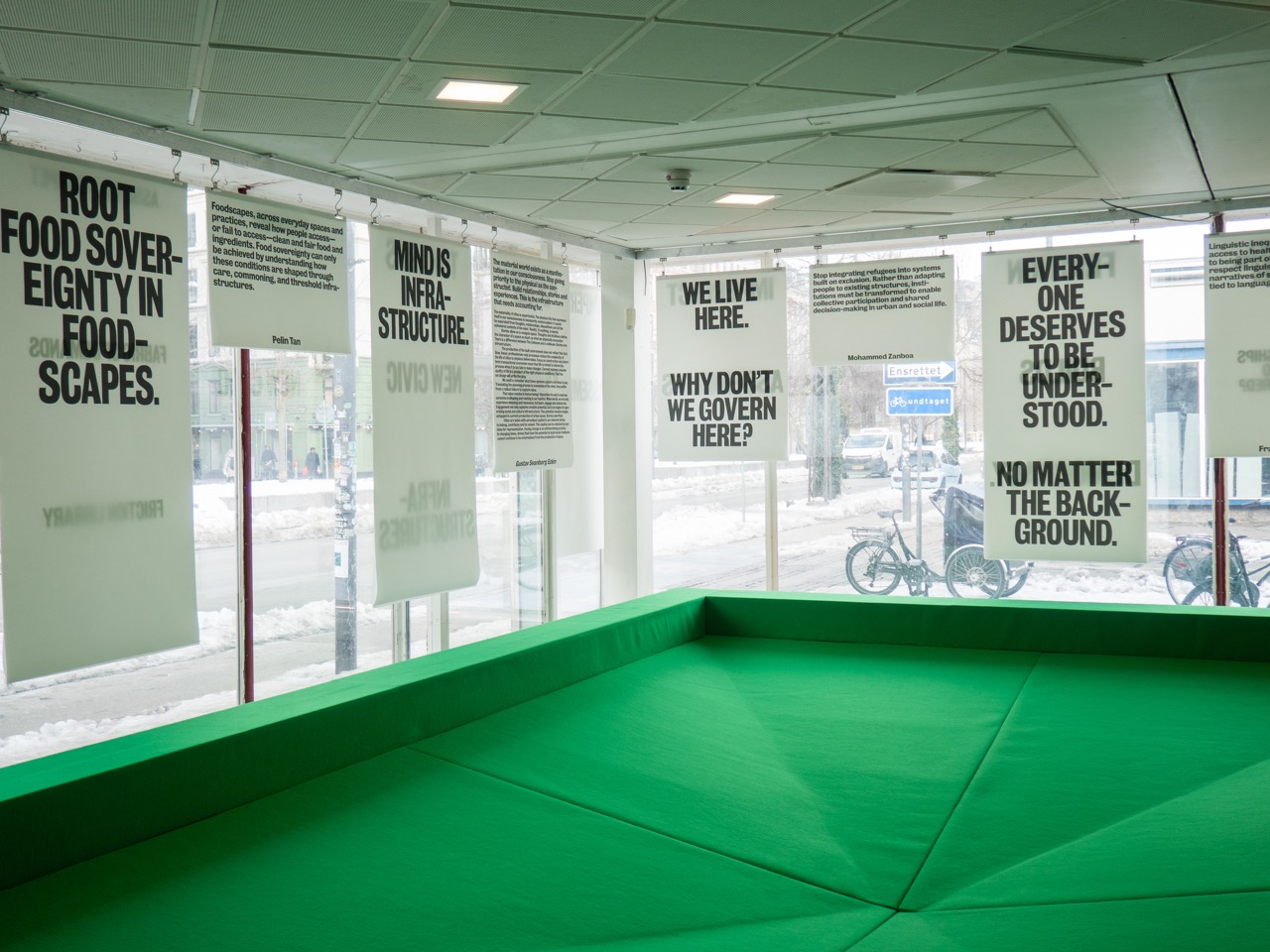
At Halmtorvet 27 we present exhibitions that explore and investigate the expanded field of architecture with architects, artists and scholars. Since we moved into Halmtorvet 27 in the Spring of 2022 we have done more than 12! How can we live with other species, what can we learn from nomadic life, how do our food systems shape our landscapes and what the newest japanese architecture looks like, how can using local materials and vernacular methods inform the built future, and how can we reimagine the architecture of democracy? We do exhibitions that challenge your imagination and present ideas for a better built future.
Film Club
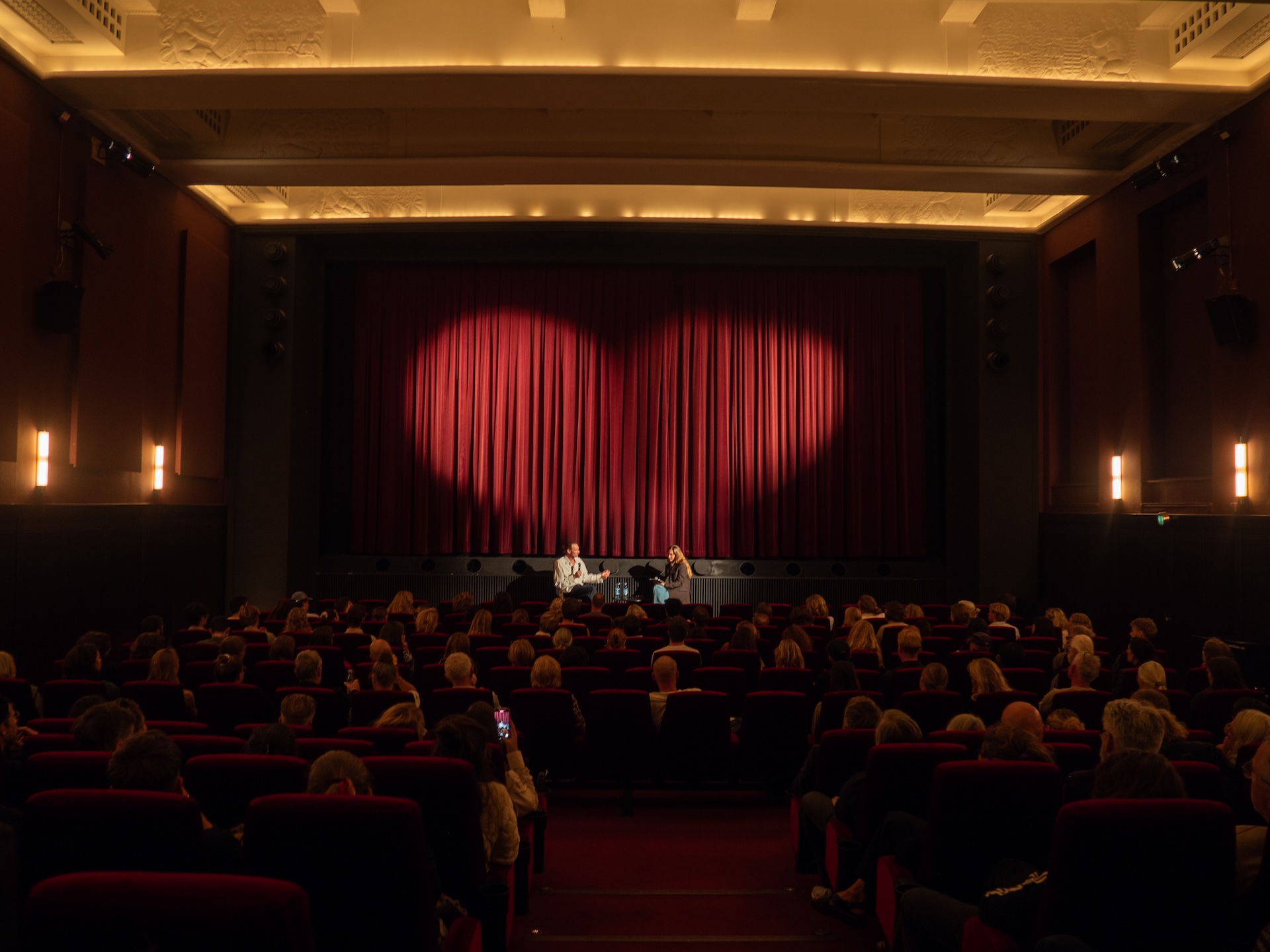
Every month we screen films that give you portraits of the most important architects, films that challenge the medium to let you travel to buildings around the world, and situate your body completely within the material. Since our launch we have screened world premieres and curated programs with capacities like Juhani Pallasmaa, Anupama Kundoo, Jan Gehl, Dorte Mandrup, Tatiana Bilbao, Bjarke Ingels, Dan Stubbergaard and more.
Words and Cities
The major problems of the 21st century will be solved and created in cities: more than 50% of the world’s population lives there, and this share is expected to reach 85% by 2100. At the same time, inherited modern ideas about the city increasingly feel worn out; we no longer yearn for the metropolis’s shock, excitement, spectacle and anonymity. We long for new narratives, fantasies and imaginaries. With Words and Cities we ask the most exciting Danish writers to dream freely about the cities of the future.

Copenhagen Architecture Forum Podcast
Unheard Voices
Architecture creates spaces, but it also takes up space—often at the expense of certain environments, animals, or people who are overlooked and excluded. With the short film competition and open call Unheard Voices The Danish Arts Foundation and Copenhagen Architecture Forum put focus on “unheard voices” in architecture.
What are we not paying attention to when planning and building today? Who does not have a voice, and what new perspectives on architecture could these unheard voices offer if we listened to them?
99 short films were submitted, traversing genres and reflecting multiple environments, approaches, and subjects. From poetic reflections on life in social housing, the injustices of planning laws, life with other species, and architecture’s intimate connection to personal memory.
Learning & Education
All of our lives are shaped by architecture. But we often forget how, and all the ways in which democratizing access to the field can make our lives more rich.
Building on the insights from our exhibitions and public programme, we work to give children, minorities and the broader public tools and knowledge to make their mark on how we build and plan — to take steps towards a more sustainable building sector and world at large.
We Co-Create Our City
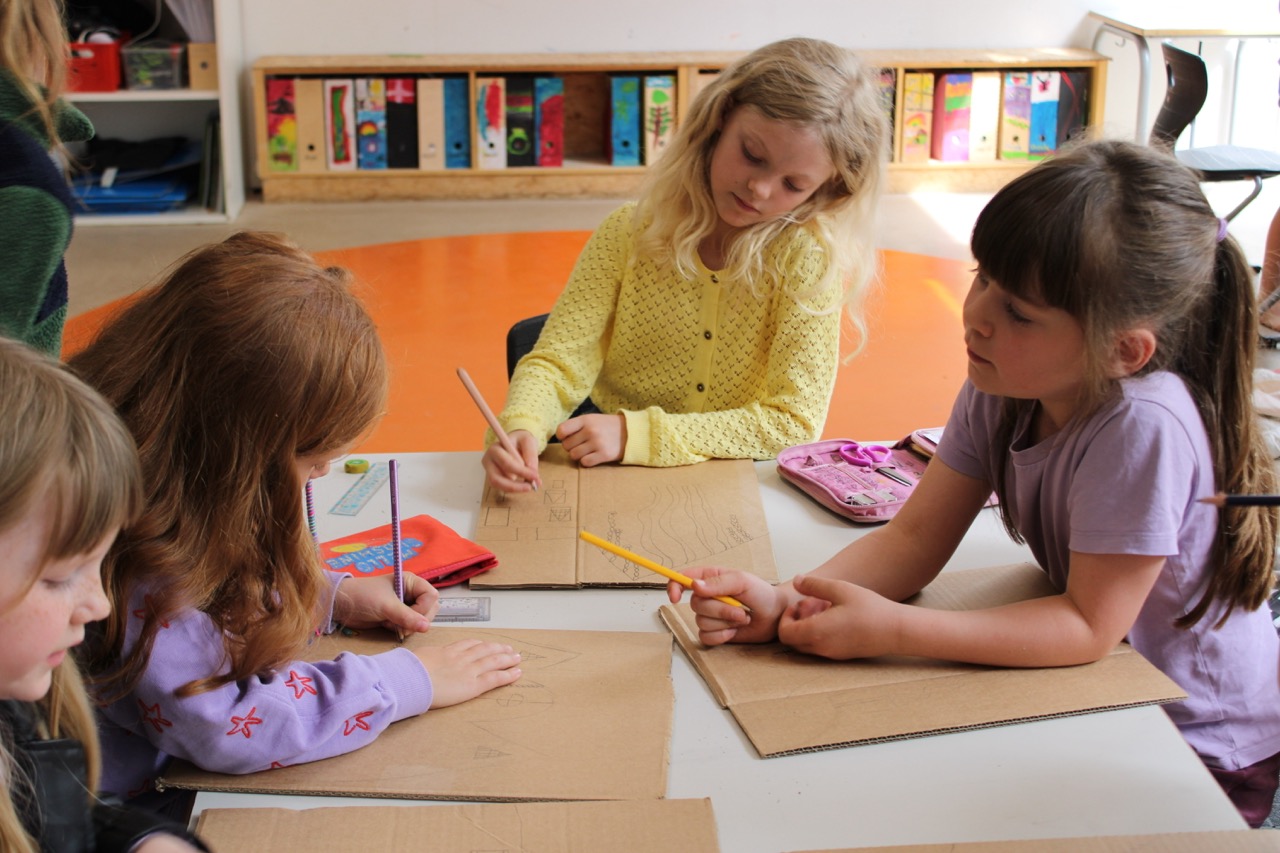
Children and young people are the future citizens, decision-makers, builders, advisors, and architects. We see it as a democratic task to help them understand the exciting, complex, and opportunity-filled field of architecture and urban planning. How we build has significant impact on our everyday lives, societies and planetary balances.
In our educational programmes, photography, drawing, model building, workshops, city walks, and group discussions become a way for the children to explore their local areas from an architectural perspective, letting them build and reimagine their schools in completely new ways and as homes for other species. In the end, the children get the opportunity to share their findings in exhibitions featuring models, short films, and the children's own photographs.
In 2025 we conducted two iterations setting the children’s architectural imaginations free: One with 0-1 graders from Børneuniversitet in Vesterbro and one with 6th graders from Skolen ved Dybbølsbro. The ideas and methodologies behind CAFx’s programmes were partially developed with our first educational endeavor: Vi Fællesskaber Vores By: Gellerup, a course in architecture and urbanism for 15–18-year-olds in Gellerup, Aarhus.
We believe in giving the children hands-on experiences and a space to explore their creativity, while also showing them how they can present and voice their own opinions. Together we explore questions such as: What is public space? Has the city always been as it is today? How can you transform a place you don't like into a favorite spot? If someone has a physical disability, does it change their ability to use the city? How can we support biodiversity through architecture?
Are you interested and want a programme at your school? Get in touch at info@cafx.dk
Summer Schools & Workshops: Film & Architecture
Since 2016, we have done a series of Summer Schools and Workshops using the medium of film to investigate new approaches to architecture. We have hosted our own Summer Schools with themes such as Landscape as Character: Rural Noir, Inclusive Design, and Social Integration. And we have developed, consulted on, and facilitated workshops with institutions like Aarhus School of Architecture, BINA from Belgrade, MAXXI in Rome, Oslo Architecture Triennale, Architecture at The Edge in Galway, Barleti University & Tirana Biennale, Tbilisi Architecture Biennal, Pink Armenia from Yerevan, and Queer Art Festival in Baku.
The school programmes and workshops have connected students, professionals, and the broader culture across geographical regions and in between disciplines.

Architectural Evening Schools
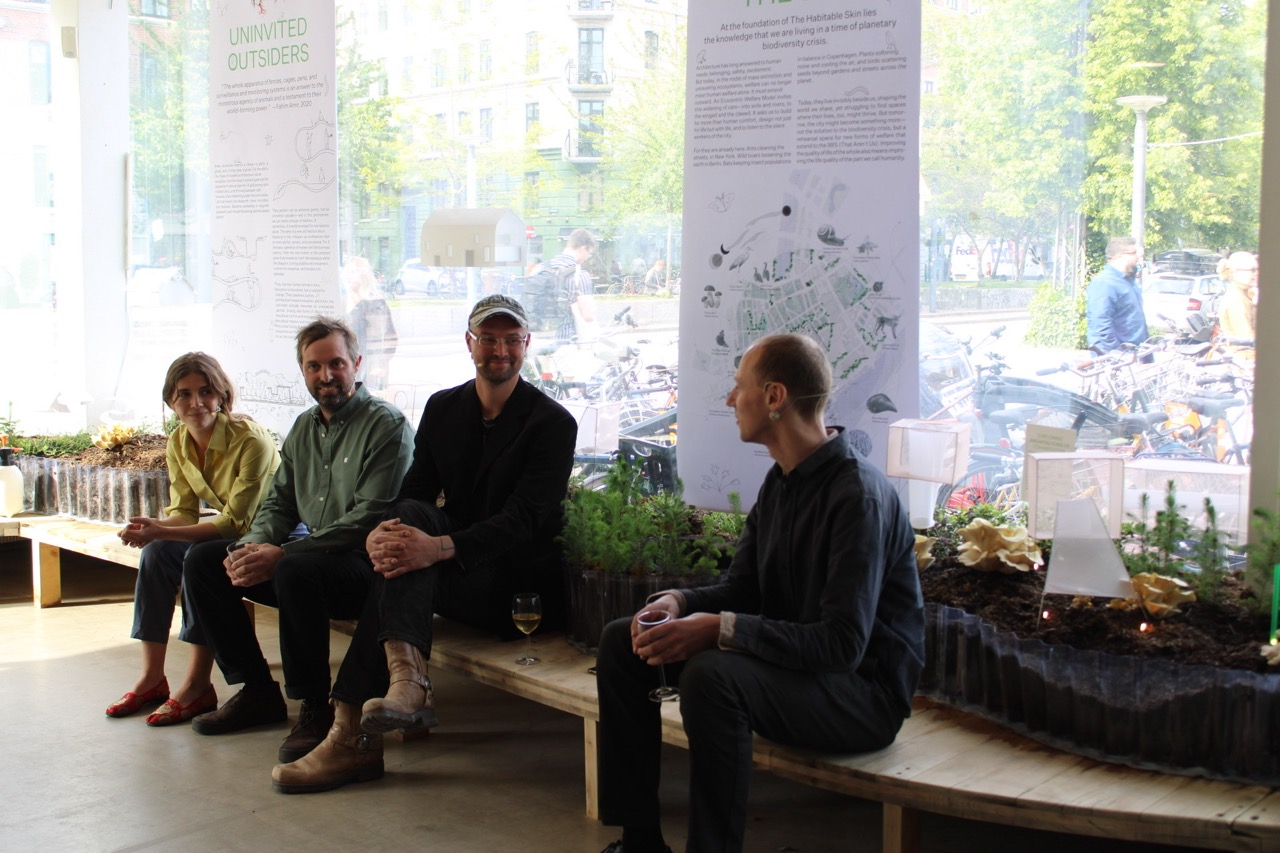
Learning has no age. Across our evening schools, professionals and the broader public alike can get new and novel perspectives on architecture and planning. The evening schools provide a way for ordinary citizens to qualify and strengthen their ability to take part in conversations about the future of our shared cities.
In 2024’s Learning Urban Planning, we embarked on a journey from the first sensory encounters with the city’s spaces and buildings to working with municipal, master, and local plans, with the director of the Danish Urban Planning Lab and former city architect of Copenhagen, Tina Saaby, and a host of guest lecturers.
The city is buzzing with life, yet we often overlook everything but the human. In 2025, we presented Living With Other Species, a six-part evening school—with talks, film screenings, and city walks—exploring how to plan and live alongside other species in the cities of the future. Moving across scales, from regional planning to the secret lives of bats, ants, and microbes, we shifted our gaze to imagine new forms of interspecies cohabitation.
Policy & Advocacy
Fusing the learnings from our public and educational work, we do a range of activities to challenge and help change the policies and laws governing the building sector. Though often overseen, the legal and political frameworks governing how and what can be built are of immense importance.
That is why we work to bridge the divide between law, economics and architecture. And to create new visionary frameworks for building.
Dear Lord Mayor
In 2019, we invited a broad array of voices from the field of architecture to write letters to the mayor of Copenhagen. We wanted to turn the good intentions from the C40 climate summit—held in Copenhagen in the autumn of that year—into concrete action.Back then, it was still believed that the city could be CO₂-neutral by 2025, and the message was clear: action was needed immediately. Among the letter writers were capacities like Dan Stubbergaard, Anders Lendager, Lene Dammand Lund, dominique + serena, Kenneth Balfelt, Ellen Braae, Lars Autrup, and more. Read them here.
2025 is long gone, and CO₂-neutrality is still far away. That is why we are reviving Dear Lord Mayor in 2026, inviting back the letter writers from the first iteration and a string of new voices. The aim of Dear Lord Mayor is clear: to engage the field of architecture in holding the Copenhagen Municipality accountable, showing the political force of architecture, and providing a space for strengthening the connection between politics and architectural thinking.
Assemble! - Europe’s New Conference on Architectural Politics
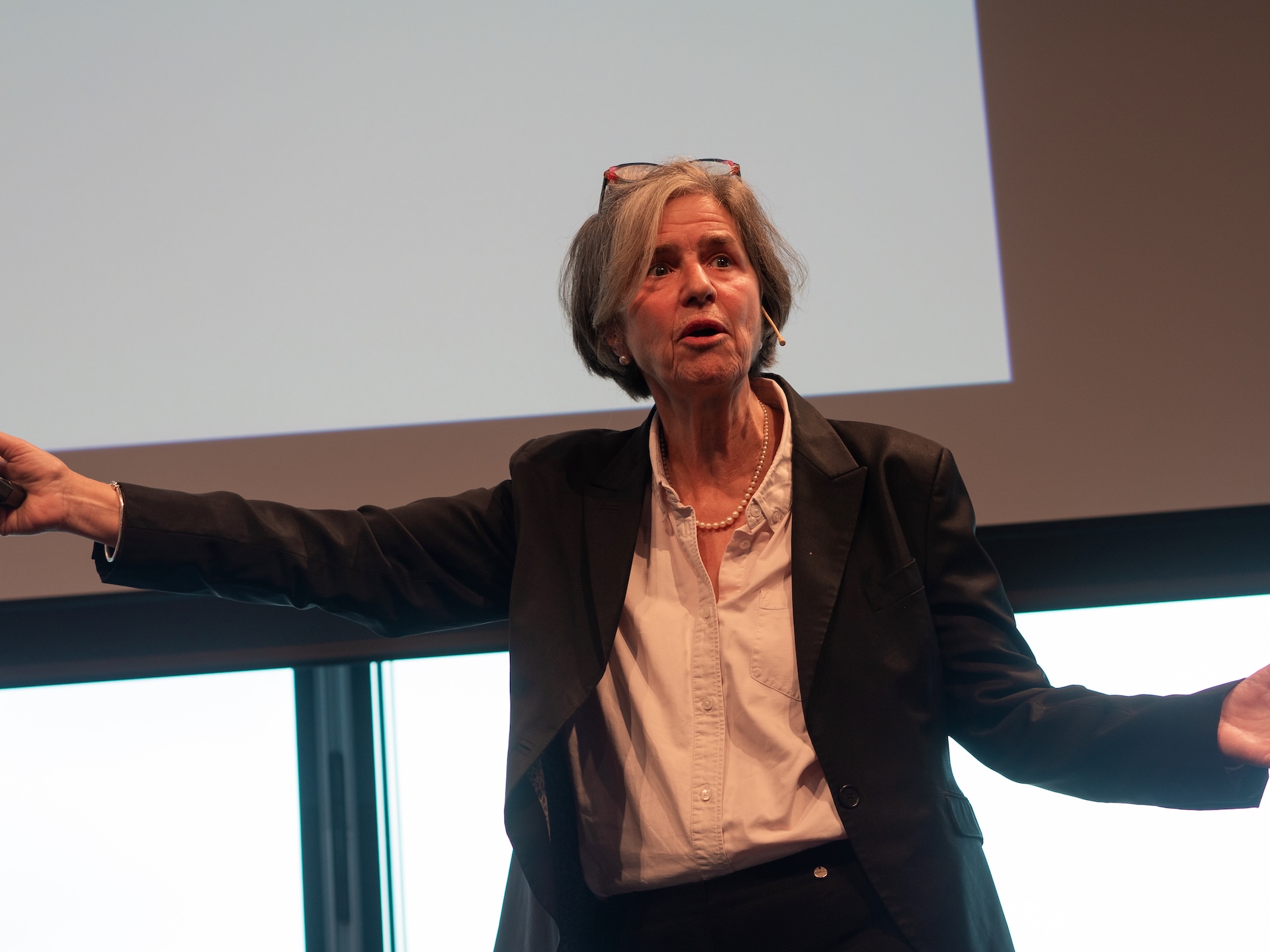
The goal of the 2025 Assemble! conference - which hosted close to two hundred participants - was clear: To create a building sector that operates within planetary boundaries and ensures a thriving future for both people and planet. Over two days during the inaugural Copenhagen Architecture Biennial architects, poets, engineers, activists, economists, advertising advisors, developers, legal experts, and practitioners were brought together to rethink the regulations, ownership models, and design processes that quietly define our cities.
Assemble! was a structural experiment, a policy rehearsal, and a launchpad for bold ideas to become real-world action. It took participants from drafting up inspiring new legislation, to testing its implications, and to creating sustainable, engaging narratives that capture the public imagination—while inspiring change across the sector. On stage were international capacities from across the sector: From an opening speech from Katherine Richardson - a leading thinker on questions of planetary boundaries - to innovative law proposals by Kate Orff, Indy Johar and Anders Lendager.
Assemble! is a platform for a sustained rethinking of the legislation governing the field of architecture. In the months after the conference we hosted Post Assemble! a four-part evening school where the legislative proposals were mapped using network theory, drawing connections between the central actors and networks of the building sector and the effects they have on the biosphere. In 2027 Assemble! will be back for its second iteration.
International Manifesto Relay
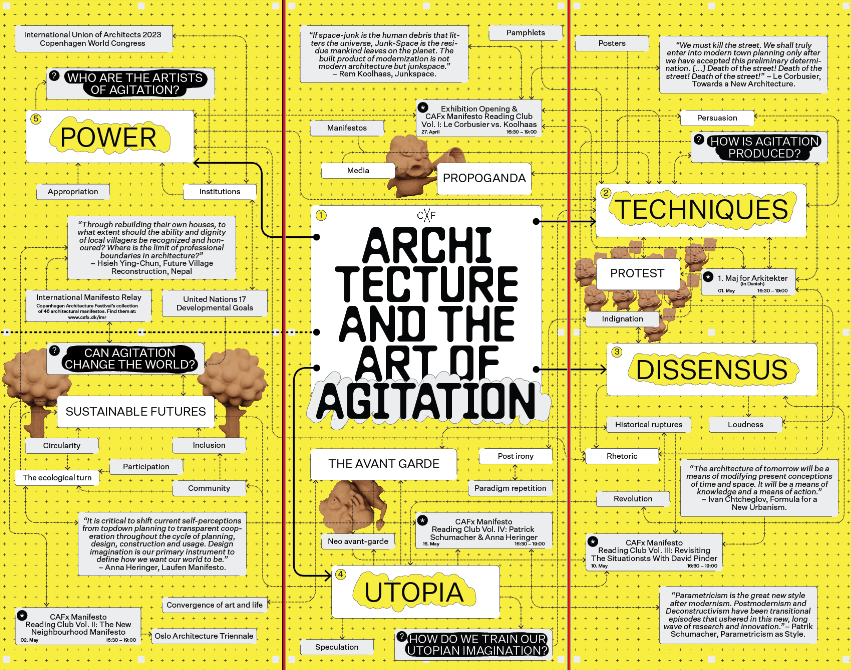
Already in 2019, we had an intuition about the potential of the manifesto to stimulate radical imagination and facilitate the dissemination of provoking spatial vision. It explored this through the Manifest Stafet initiative, which, in collaboration with the Denmark’s Academic Architects Association, collected almost 50 manifestos about the societal role of architecture from local researchers and practitioners.
Reiterating this concept on a bigger scale, the International Manifesto Relay from 2023 gathered proposals, projects, declarations and speculations about the capacity of architecture to create sustainable futures. We invited all Architecture Associations around the world members of the UIA to select practices and researchers from their country of jurisdiction who would like to produce a manifesto on the topic of the UIA 2023 World Congress. More specifically, authors were asked to draw inspiration from the Congress’s Six themes: Design for Climate Adaptation, Design for Rethinking Resources, Design for Resilient Communities, Design for Health, Design for Inclusivity, Design for Partnerships for Change.
Commission on Circularity
Commission on Circularity was our first exploration into the intimate connection between architecture and law. Over six events tied to the exhibition of the same name, a series of prominent Danish architects proposed new circular legislation, creating a temporary space for exploring law as a site of design. Here, the methods of architecture was reconsidered, and the fabric of governance rewoven with the ethos of circularity and the expertise of architectural practice, giving rise to a new legal lexicon for shaping a new societal architecture.
The legislative proposals were made by: Justine Bell (Djernes & Bell), Anders Lendager (Lendager Group), Søren Nielsen (Vandkunsten), Anna Marie Exner (Anna Mette Exner Arkitektur), Sinus Lynge (Effekt), Pil Thielst (Lundgaard & Tranberg). All proposals are available to read and are discussed in a podcast series of the same name.