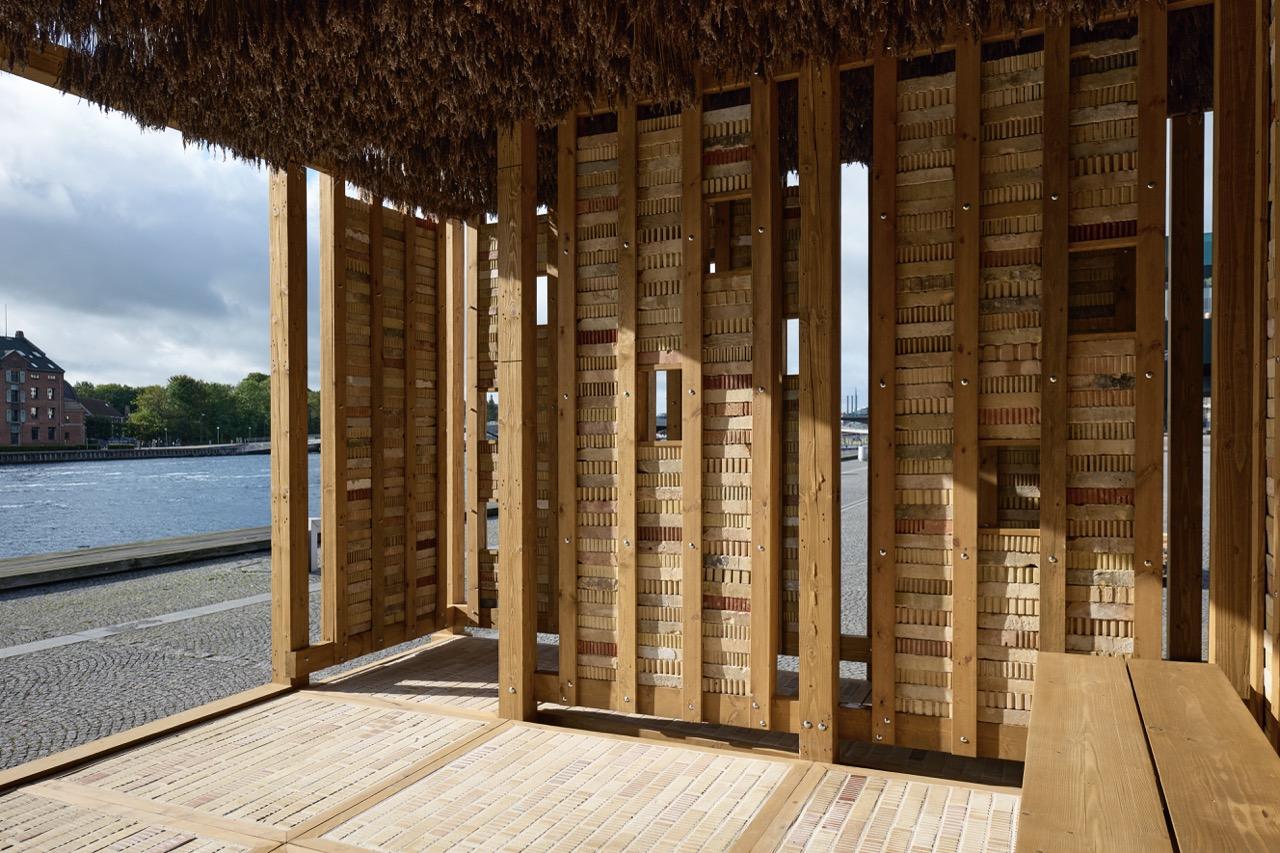
Many still assume that buildings must excite. They must capture attention, produce images, and offer experiences. Boredom is treated as failure. But this reveals a hidden intuition that human beings need constant stimulation to remain engaged. What if this intuition is wrong?
This episode explores that question. It suggests that architecture has become entangled in a psychological economy of attention, reflected in approaches such as hedonistic sustainability. Here, the "good" solution is often the one that is also pleasurable, fun, and instantly rewarding. But this carries a risk. What if what produces short-term value for the touristic gaze undercuts long-term trust for citizens? What if the constant appeal to excitement leaves less room for quieter qualities such as rest, awe, and integrity?
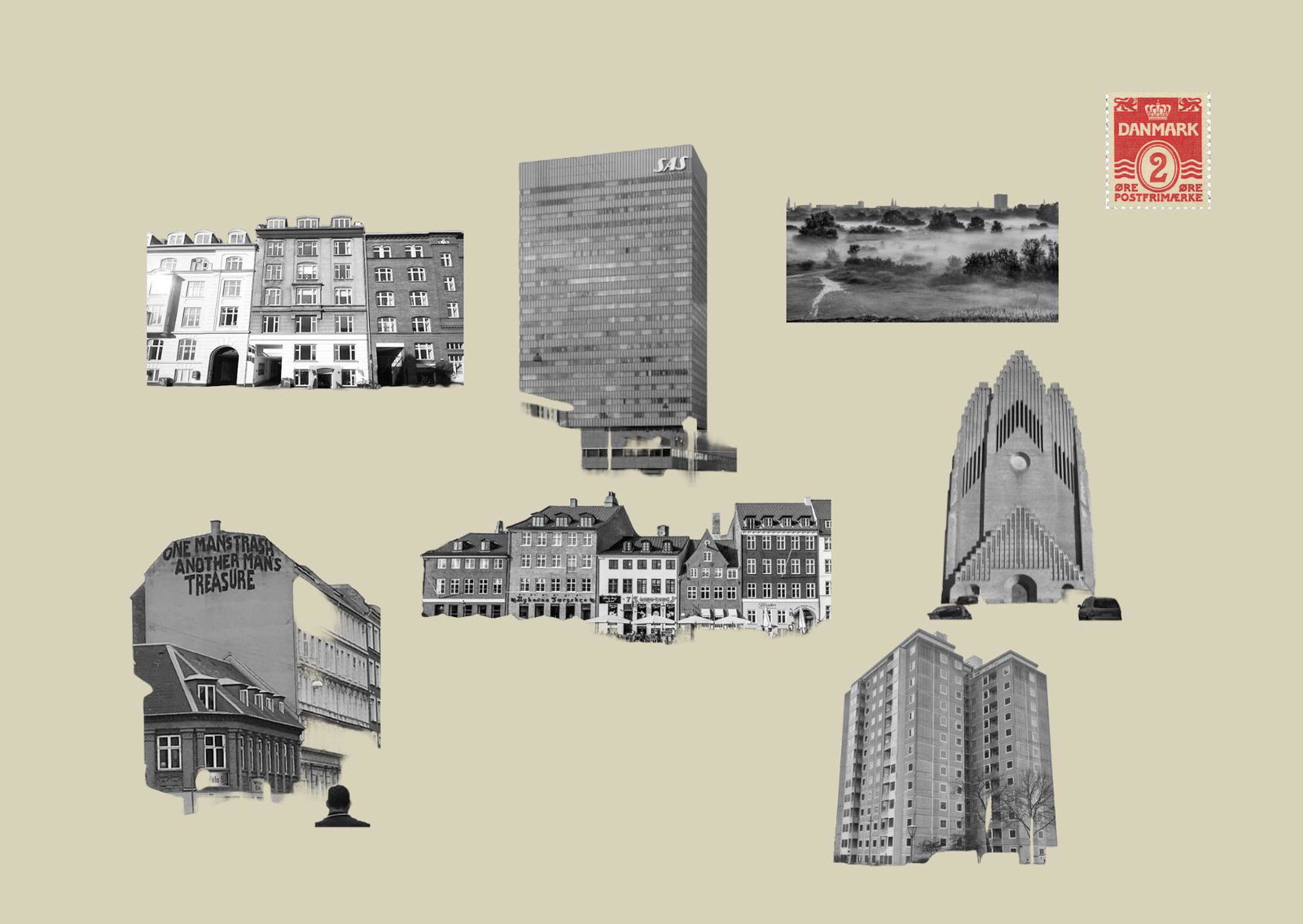
Over the past five years, several institutions have pointed to the emergence of a new paradigm in Danish architecture, described as a new subtlety or as an ecological turn.
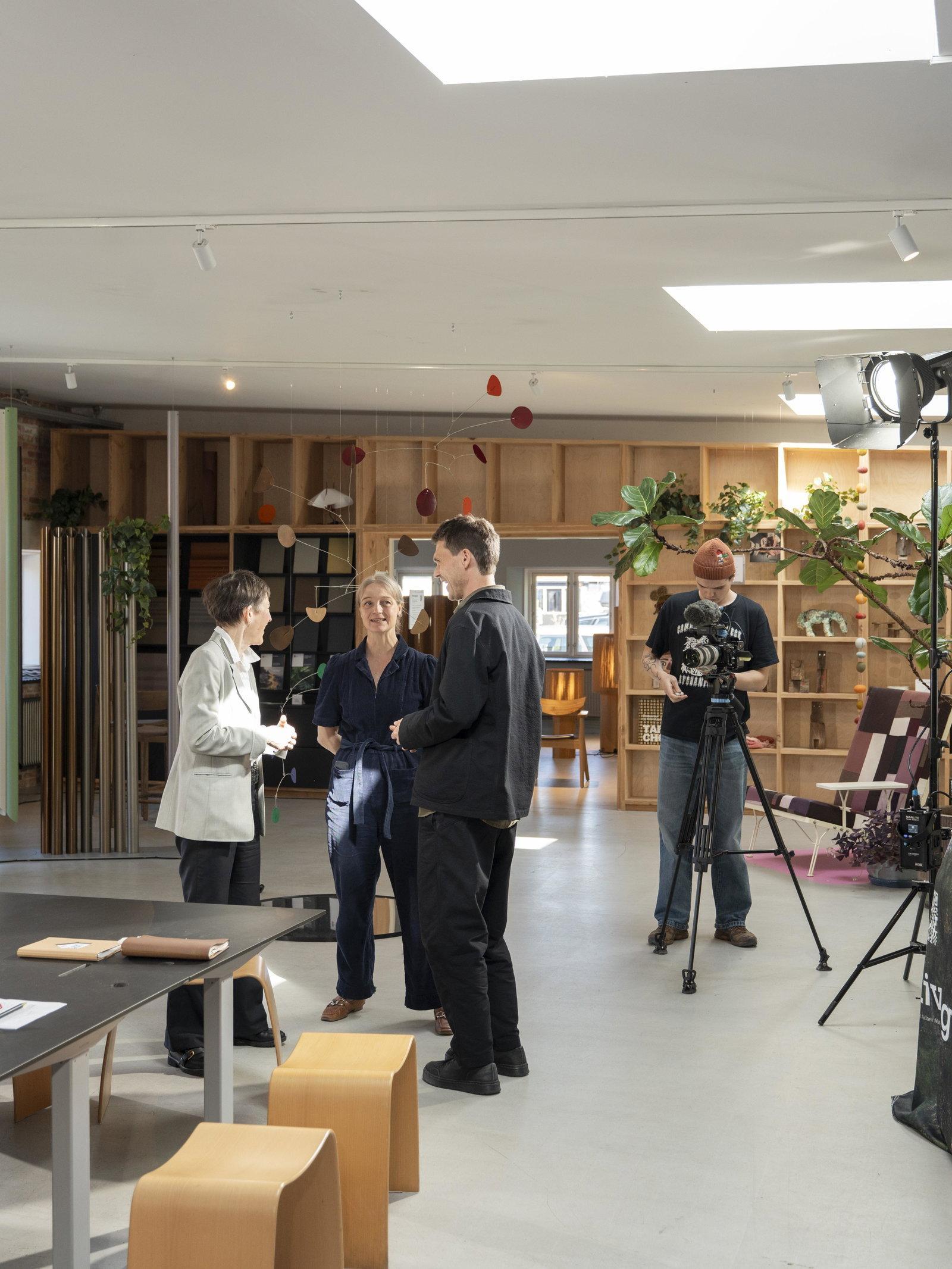
In this episode, Kristoffer Lindhardt Weiss (a renowned Danish architecture critic, writer, and CEO of Danish Architectural Press) and Anne Beim (Head of Centre for Industrial Architecture at the Danish School of Architecture) reflect on how to understand this shift and what it leaves behind.
Post Notes