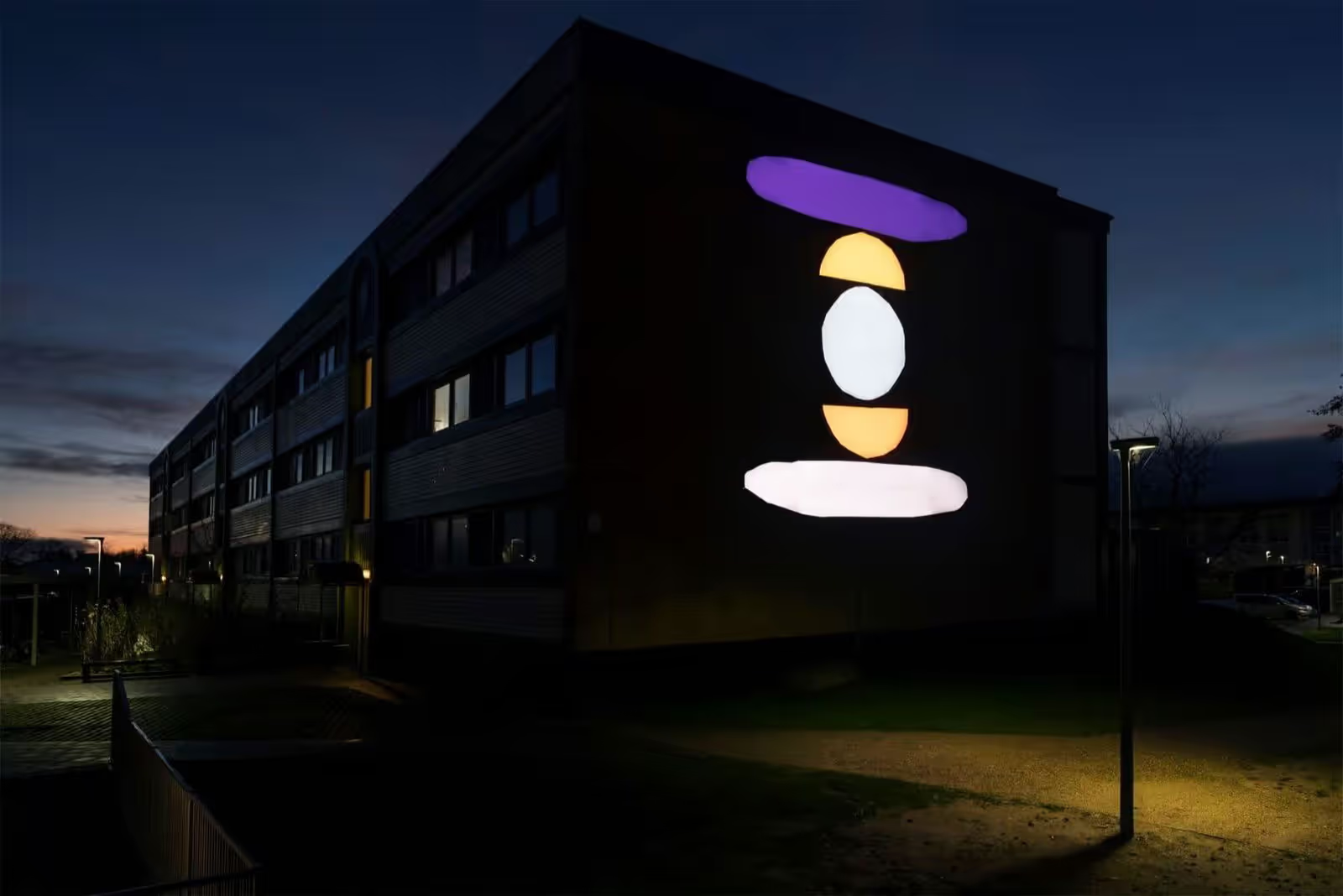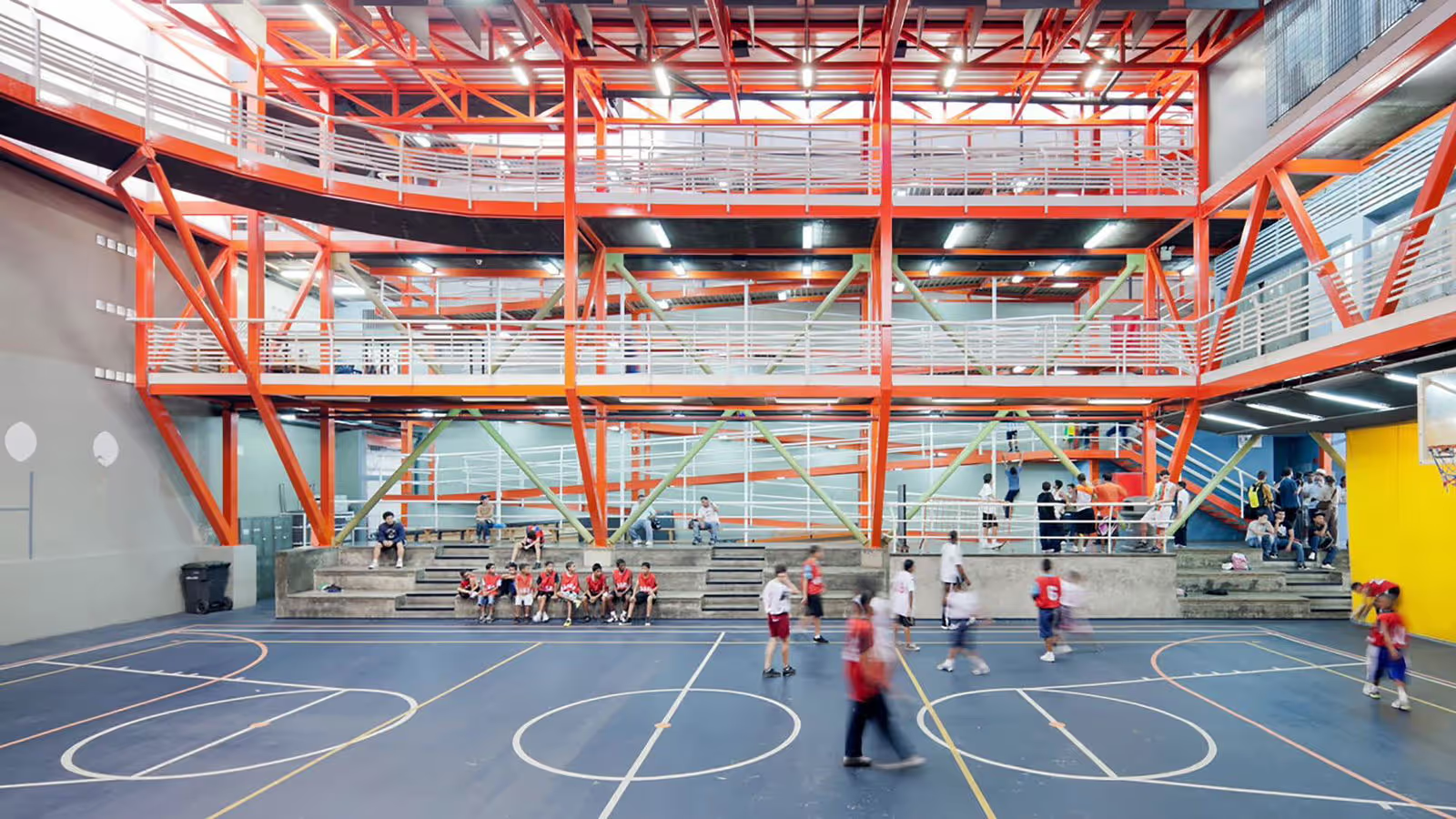
Today’s cultural production is often characterized by a high pace, with demands for visibility, rapid reactions and constant renewal. But other modes of creating, enjoying and collaborating are possible.
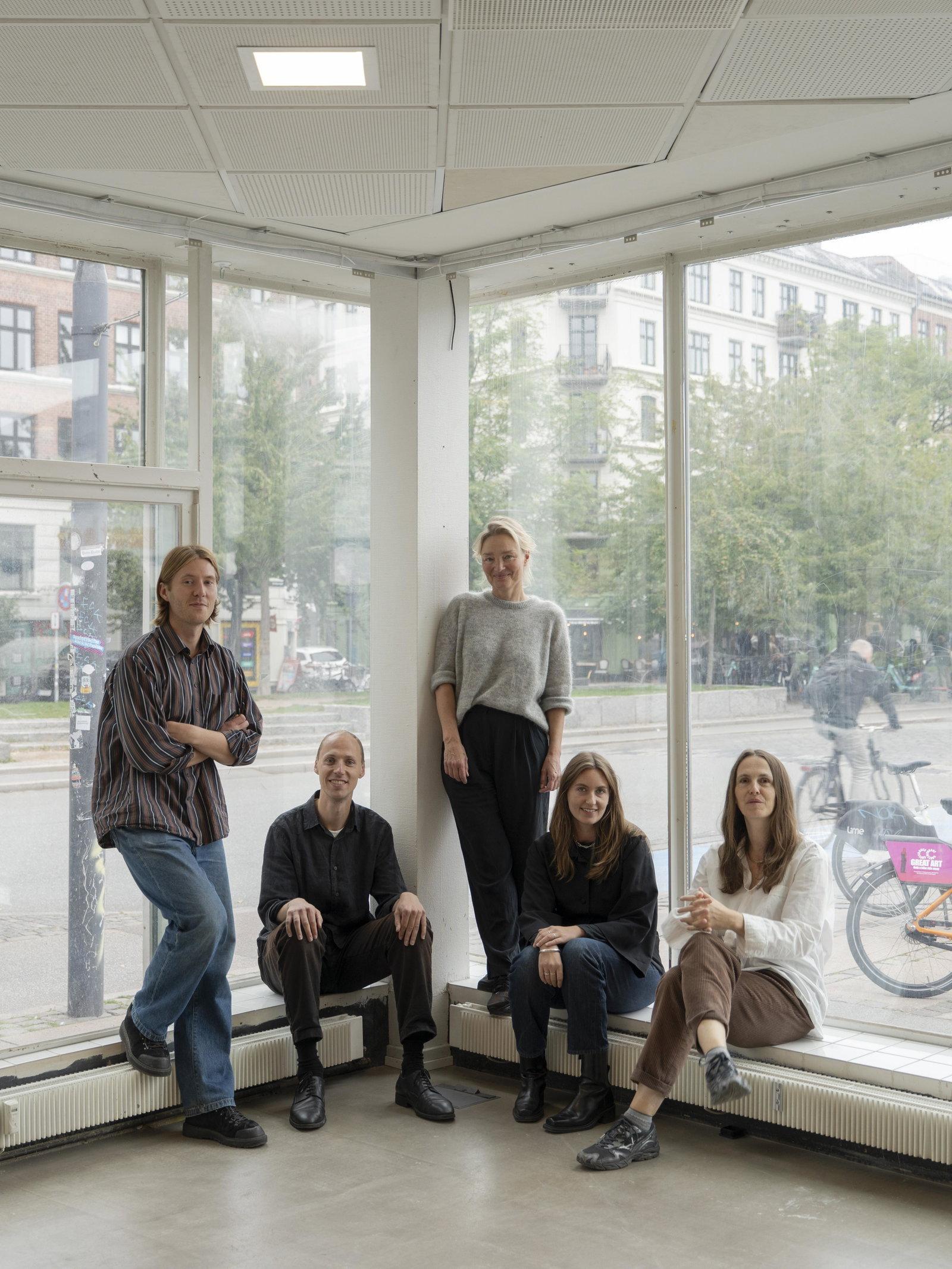
For the past year, we’ve been thrilled to cultivate and explore them through developing and participating in The Network for Interinstitutional Architectures (NIA) – a collaboration between architecture centres, museums and festivals in the Baltic Sea region.
Through the network, we’ve gotten to work closely with Färgfabriken in Stockholm, the Estonian Centre of Architecture, the National Institute of Architecture in Lithuania and Architecture and Design Museum in Helsinki.
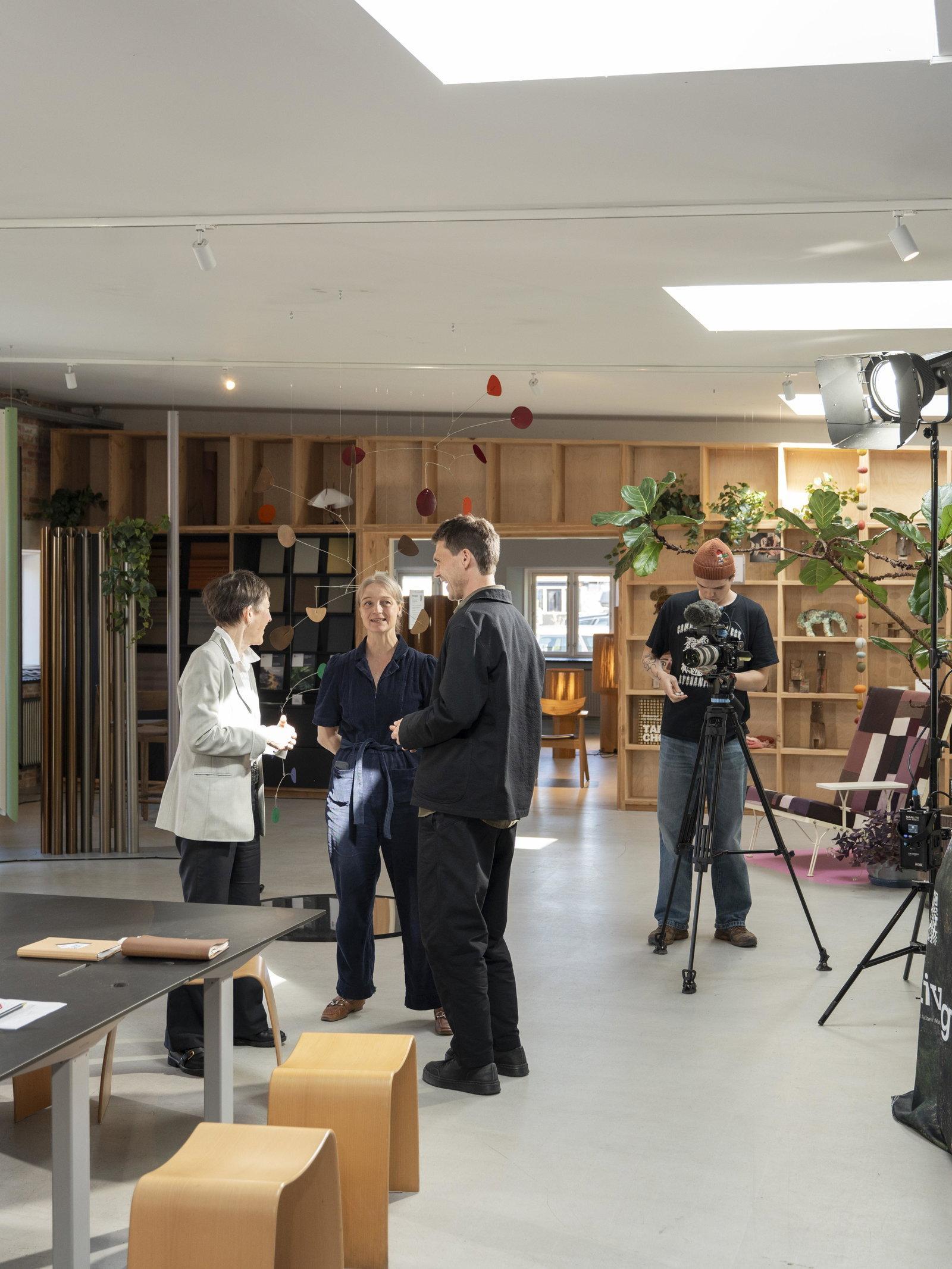
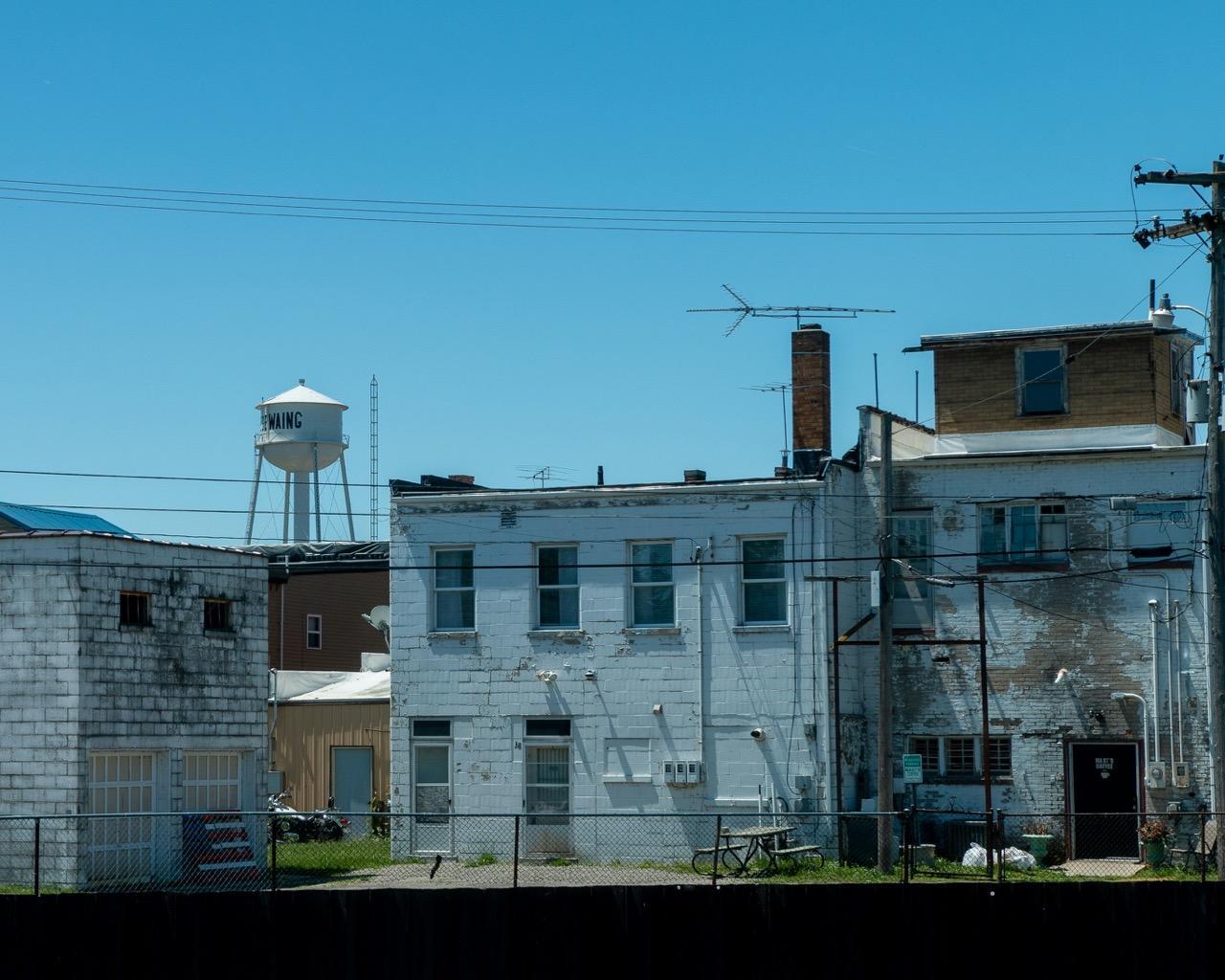
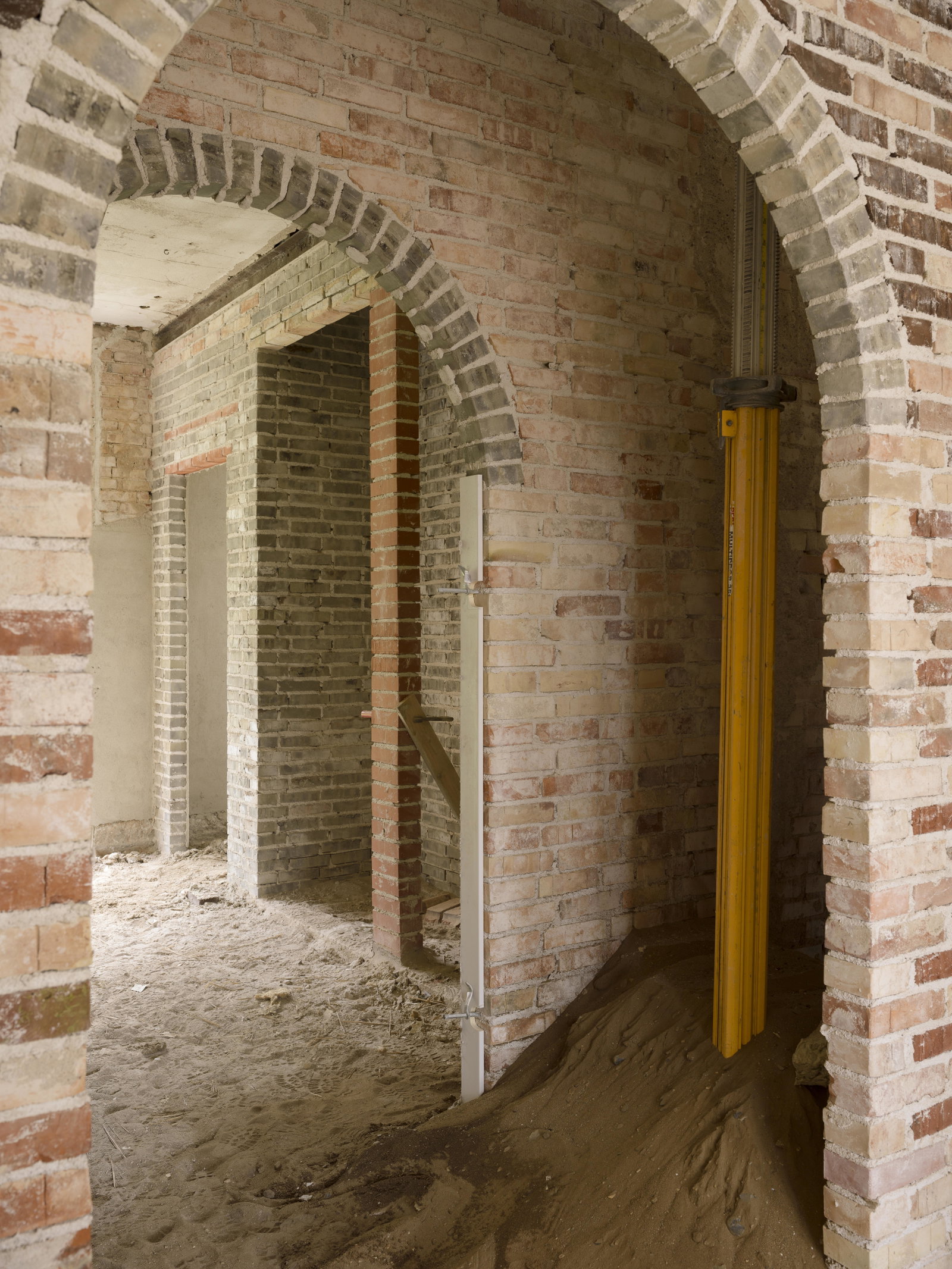
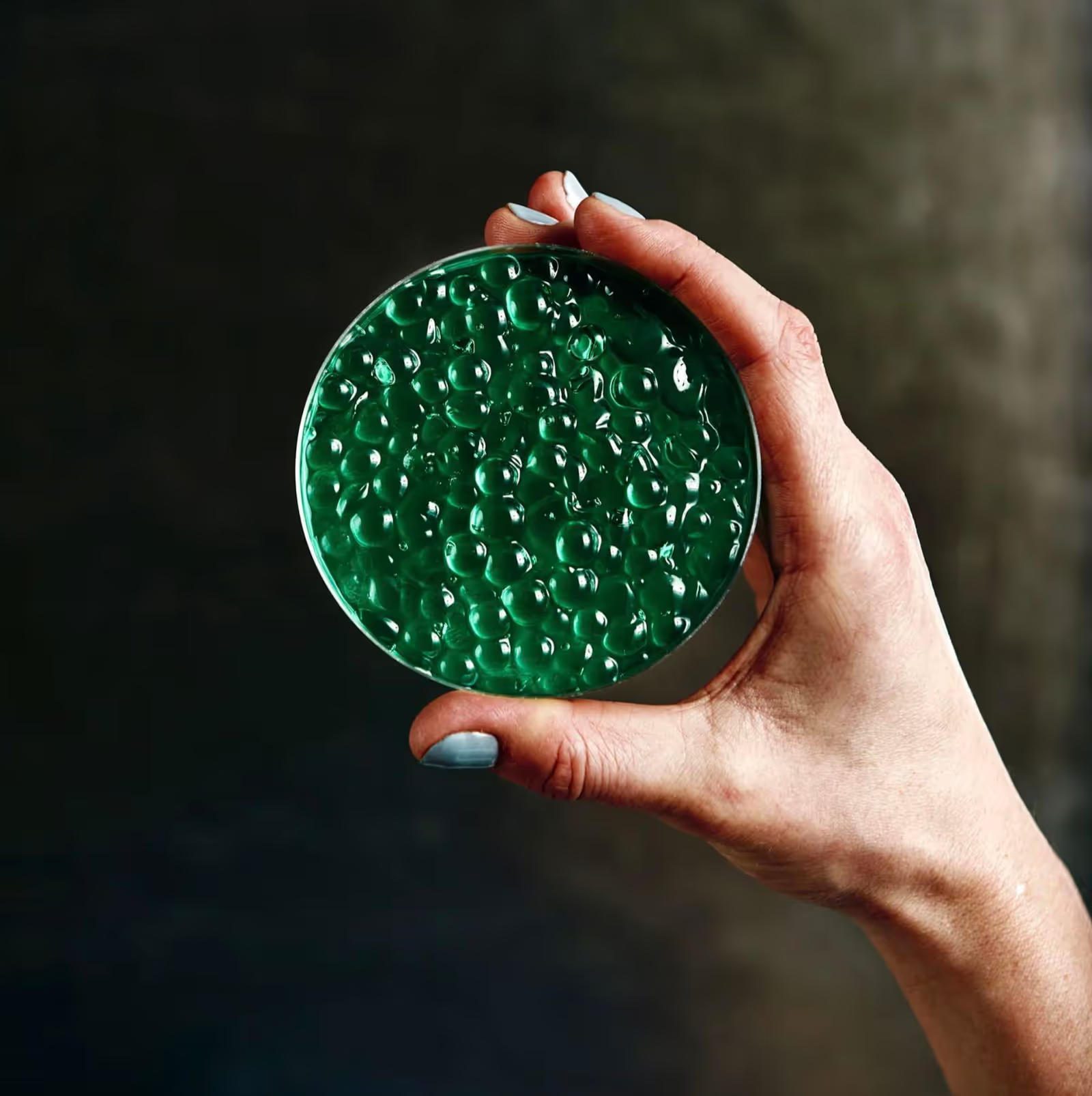
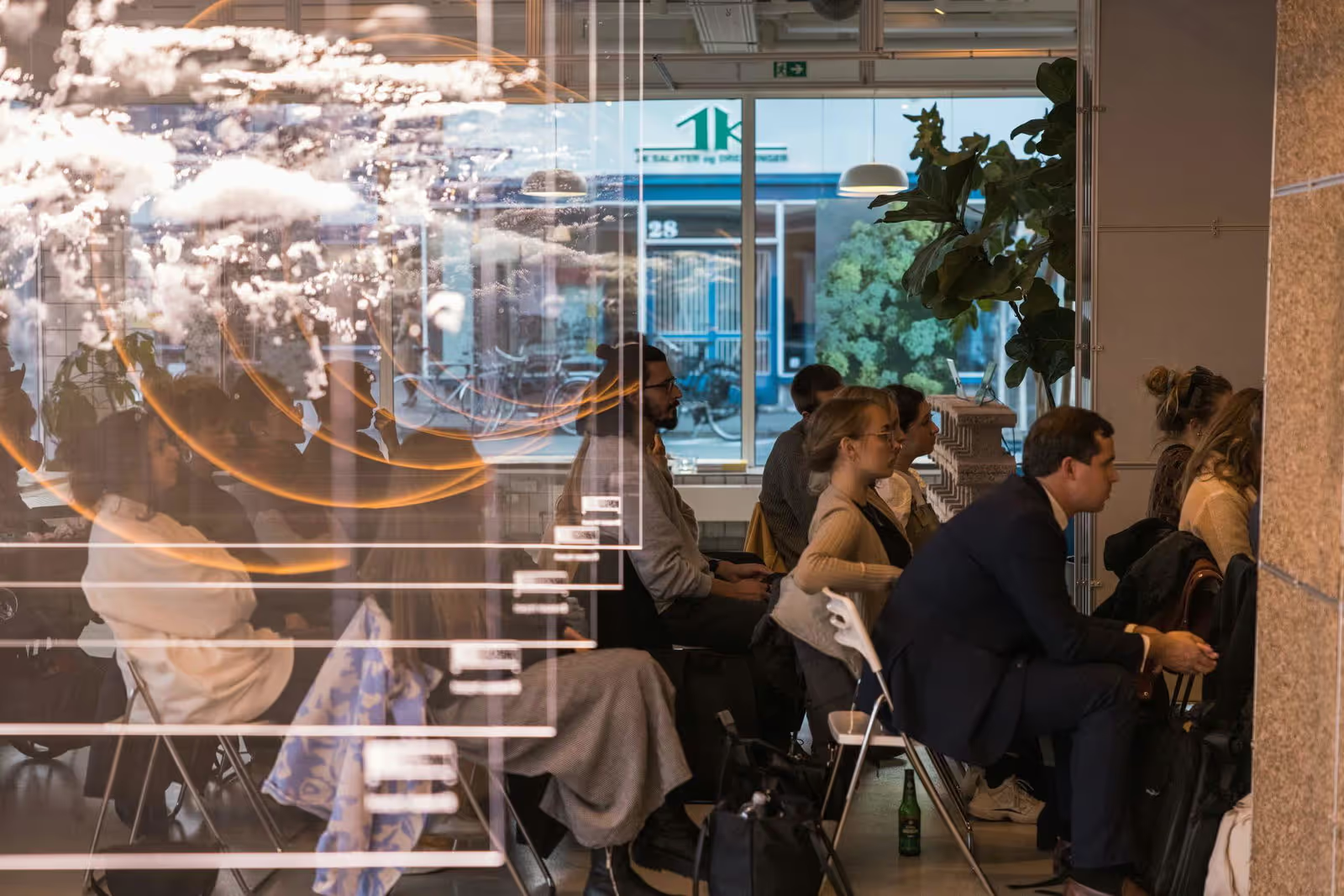
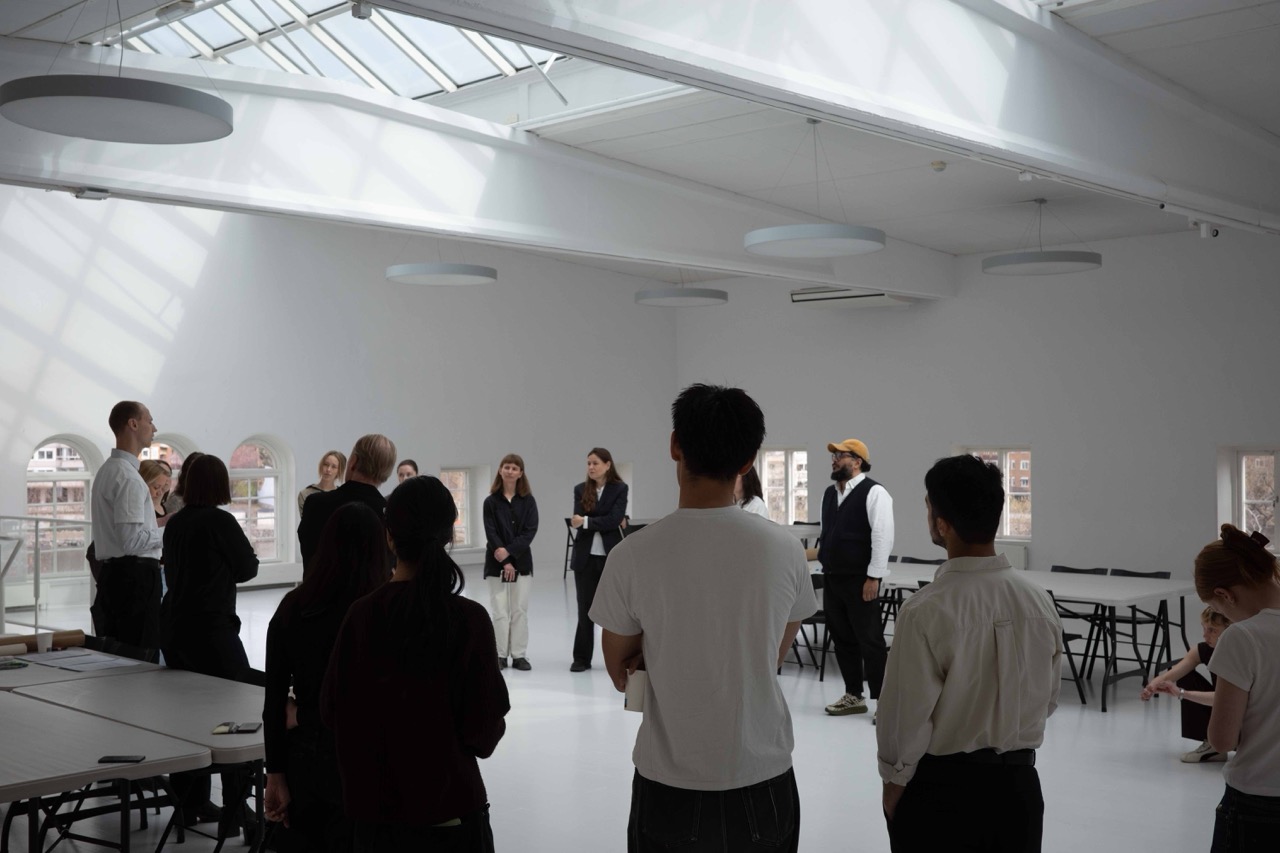
Across meetings in Copenhagen, Stockholm and Tallinn, the shared work has provided a window into how curating, thinking and envisioning architecture gets done across the Baltic Sea region, while also taking steps to create a coherent and reflective ecosystem across institutions and between actors in the region.
Each city provided meetings, studio visits, workshops and more, each with their different perspectives on questions of ecology, economy and curating:
Copenhagen
Strategies for reusing materials and concepts across institutional spaces to strengthen the ecological dimension, the economic dimension and the discursive dimension of the participating institutions.
Stockholm
How can we as institutions emphasize long-term research that prioritizes depth, innovation and complexity in an age of hyperculture? A workshop with students from KTH took place on the theme “What is an architecture exhibition?”
Tallinn
What does it cost to be an institution? Thoughts beyond the economy. What new values can be jointly created for architecture in the Nordic and Baltic context?
The project has received network support from the Nordic-Baltic Mobility Programme for Culture at Nordic Culture Point. Färgfabriken is the lead partner together with Copenhagen Architecture Forum.
Post Notes