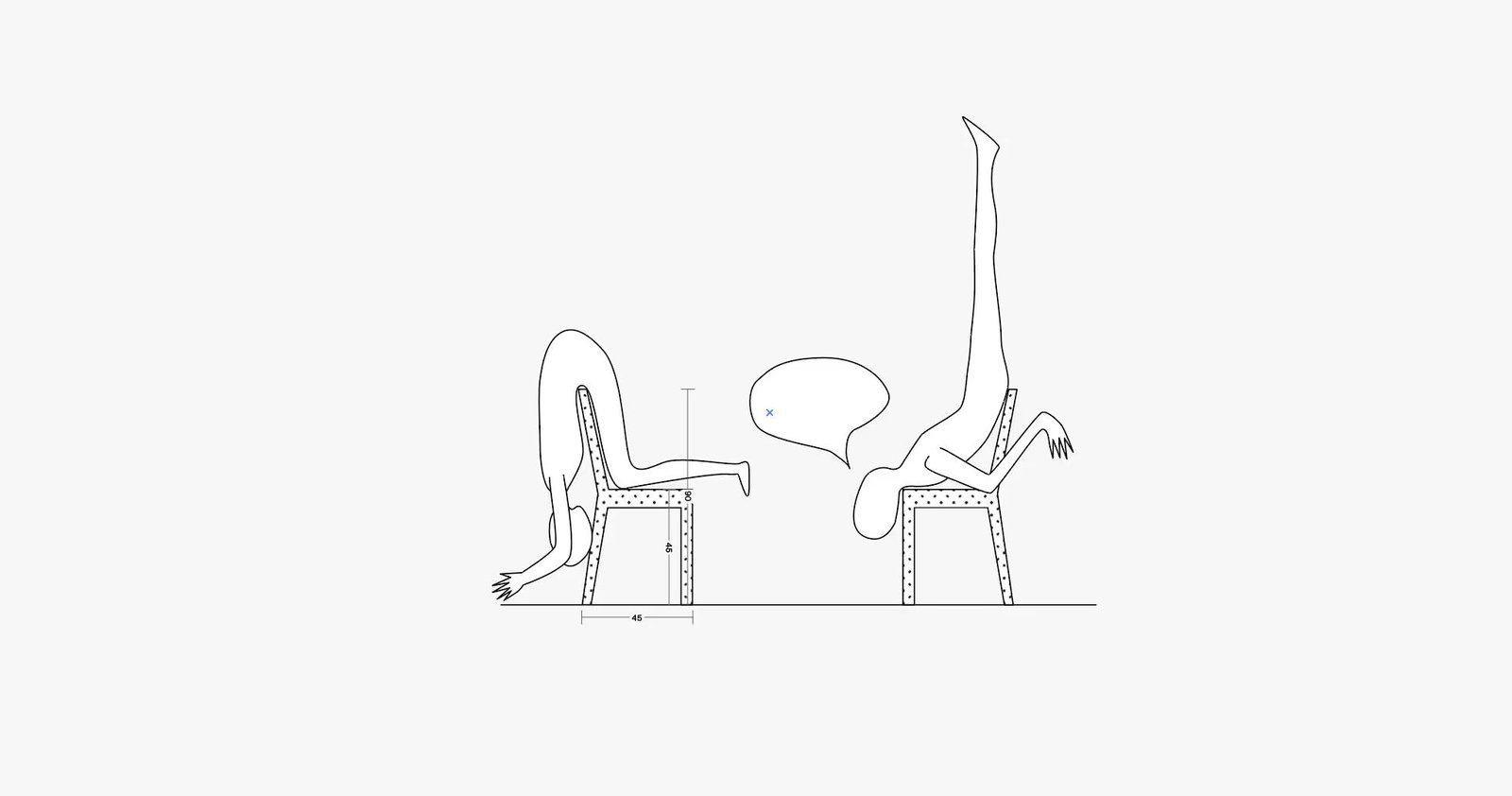
Copenhagen Architecture Forum – in collaboration with HouseEurope! – is inviting seven talents from the field of law and seven talents from the field of architecture to join a week-long fellowship in Copenhagen, August 17–21, 2026.
From Practice to Policy
The fellowship addresses a gap that is rarely discussed but constantly felt: the distance between the rules that shape how we build and the practice that decides what form our environment takes. Architects experience regulation as a constraint. Lawyers rarely see the spatial consequences of the frameworks they draft. Neither profession is trained to work with the other.
This fellowship is built on the conviction that architects should not remain on the receiving end of policy, but understand it as design material. And that lawyers working on the built environment should not remain on the framing end of architecture, but understand what their frameworks produce in practice. To understand the gap, it helps to look at the system behind it.
Who can apply?
The program is open to last-year Master students, PhD candidates and recent graduates or young professionals in the fields of law and architecture.
Applicants do not need to be based in Denmark; however, a connection to the Danish context through studies or work is considered an advantage. The fellowship is tailored to the Danish regulatory framework at both national and regional levels.
The fellowship is developed in collaboration with Olaf Grawert from HouseEurope!, a pan-European non-profit policy lab and the organisation behind the European Citizens’ Initiatives “Power to Renovation” (concluded January 2026) and “Right to Housing” (launching July 2026).
How to apply?
Send
- CV
- motivation letter (max. 1 page)
- introduction selfie-video (max. 1 minute)
DEADLINE: 24 May. Reply no later than 1 June 2026.
The fellowship is free to attend, supported by Dreyers Foundation and our Profile Partner: Velux. Accommodation and transport are not covered. Light catering will be provided. A detailed programme and preparatory material will be sent prior to the fellowship 2026.
Apply at fellowship@cafx.dk
The Rules We Build By
The building and construction sector accounts for approximately 40% of CO₂ emissions, 36% of waste in the EU, and over 50% of invested capital. Despite its scale, the sector still follows planning and investment logics from the post-war period, when rapid reconstruction was necessary and energy and resources were assumed to be unlimited.
Currently, only 25% of the European building stock has been renovated. 75% remains. At today’s rate of 1% per year, updating Europe would take 75 years – but we have 25 to reach the 2050 climate goals. The renovation rate must triple. Yet renovation is still treated as riskier than new construction. Not because it fails more often, but because it challenges the conventions of finance and regulation. This fellowship starts from that problem.
Building the Case
The program will create this exchange using one concrete and productive case: EPR – Extended Producer Responsibility. This is a principle that already works in other industries: whoever produces a product remains responsible for it after use. In the building sector, this principle barely exists. Materials are extracted, assembled, and – when a building is demolished to be replaced – thrown away. With it all the energy, labour and value embedded in them is lost.
We know that changing this would be one of the most effective levers for a more sustainable construction industry. The facts are on the table, the technical solutions exist, the question is why they don’t become practice.
The fellowship is built on this case. Over the course of one week, fellows will take it from stakeholder to stakeholder – from developers, to material producers, insurers, engineers, architects, public administrators, policy makers – and ask: what do you do today, and what would need to change for this to become the norm? The goal is not to produce a report, but to understand where the friction sits – from regulatory incentives, to conflicting interests, and shared values – and what it would take to resolve it, building the case for EPR together.
Using extended producer responsibility and material ownership as a shared case, fellows will analyze actor roles, regulatory incentives, conflicting interests and share values in existing practice. Selected actors from across the building sector’s value chain are invited to contribute their perspectives on how today’s and on what future regulation could look like.
The fellowship will conclude with a public event and will be documented through a series of podcasts recorded during the sessions.
ㅤ
Post Notes