On Air: Redesigning Democracy
We’re often told that our democratic institutions are under pressure and must be preserved as they are. But what if that pressure is actually a chance to reinvent them? “Redesigning Democracy” kicks off with three conversations exploring new paths for democratic change.
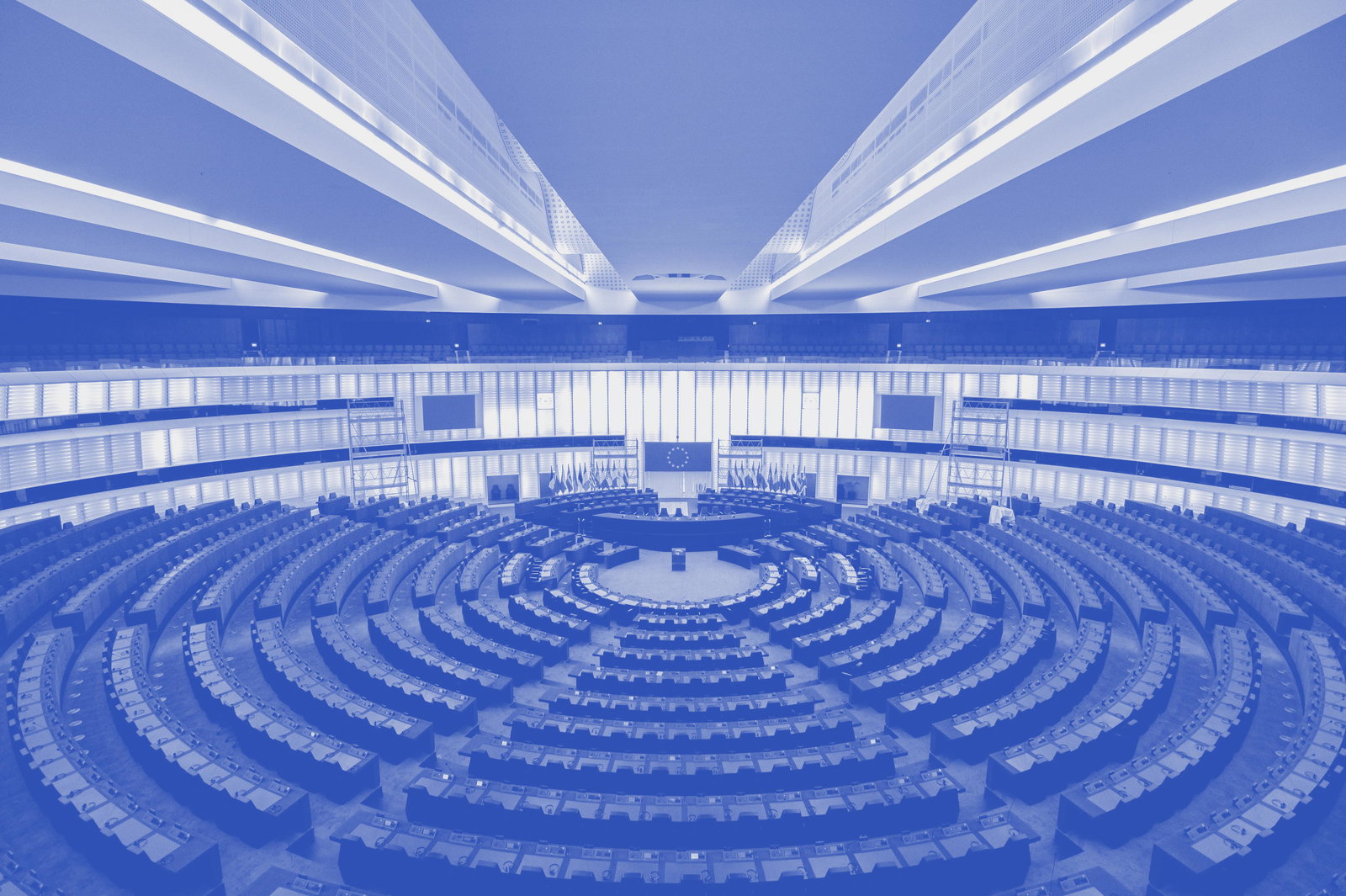
Systems are often said to fail when they no longer fit reality. Yet they fail more fundamentally when they mistake themselves for reality. Democracy is no exception.
With Redesigning Democracy, we introduce the first event series in our new format, "On Air".
Join "On Air" for an intimate, behind-the-scenes experience and be there in person as our podcasts come to life. Enjoy the conversations live with a small crowd and meet the guests afterwards for a drink in our exhibition space at Halmtorvet 27.
Over three events Redesigning Democracy looks at situations where democracy can change in facing realities it was not designed to accommodate. Each evening brings together philosophers, theologians, political theorists, architects, community workers, curators, and a futures practitioner. Across three evenings, the focus is on future generations, non-human life, and refugees.
Program
1. Who Speaks for The Future? On the Architecture of Intergenerational Democracy
Tuesday, 12th May // 17:00 - 19:00
On the evening you can look forward to meeting:
- Nicklas Larsen is Director and Head of Impact and Development at Copenhagen Institute for Futures Studies, whose work focuses on intergenerational fairness and futures thinking in education, policy, and governance.
- Klara Sørensen is a consultant at We Do Democracy, whose work with citizens' assemblies and deliberative processes focuses on facilitation, process design, and building engaged political communities.
- Pernille Maria Bärnheim is Deputy Director of CAFx, whose work moves between education, research, and curation, with a focus on how the built environment conditions collective life.
2. Can Other Species Be Part of The Political Community? On the Architecture of Interspecies Democracy
Tuesday, 19th May // 17:00 - 19:00
On the evening you can look forward to meeting:
- Lucy Reed is Chief Strategy & Creative Officer at DemocracyNext, whose work — spanning the arts, journalism, and 16 years in senior roles at the National Trust — focuses on accelerating the spread of citizens' assemblies internationally.
- TBA: One more speaker to be announced
3. How Can Participation Be Reimagined For Refugees? On the Architecture of Interlegal Democracy
Tuesday, 26th May // 17:00 - 19:00
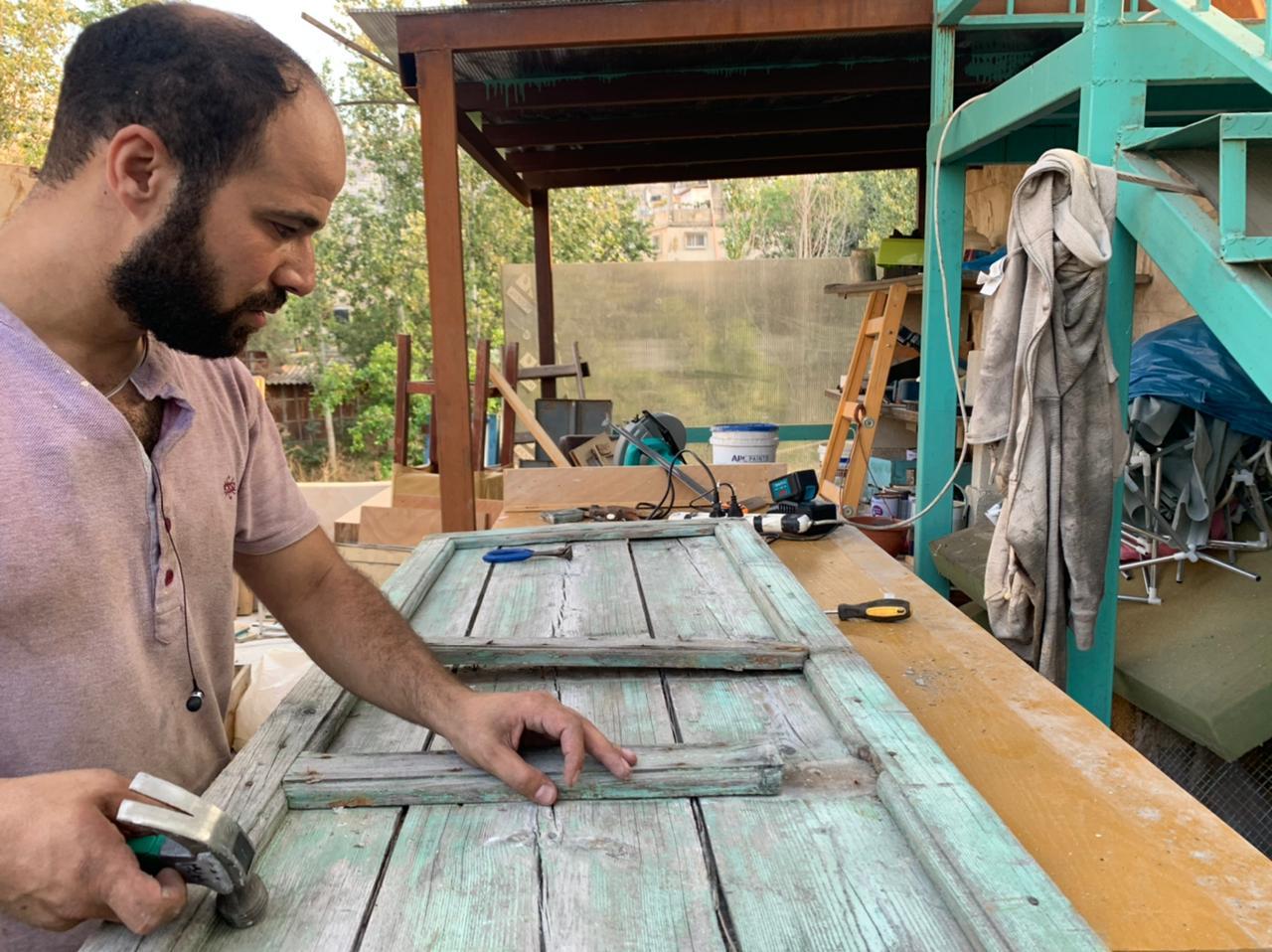
- Mohammed Zanboa is a Syrian architect, researcher, and photographer based in Luxembourg, whose work on spatial justice and refugee inclusion takes shape through collaborative urban and civic initiatives, including his project Municipality 101.
- Tone Olaf Nielsen is a independent curator and co-founder of the curatorial collective Kuratorisk Aktion, Trampoline House and CAMP / Center for Art on Migration Politics, whose practice has explored questions of forced displacement, structural racism, and the legal status and participation of refugees in Danish society for the past 25 years.
- Zachary Whyte is an Associate Professor at the Centre for Advanced Migration Studies (AMIS), University of Copenhagen, whose research and practice spans housing, language schools, arts, sports, rurality, and policy with refugees and the institutions around them.
The format is simple. It’s a conversation series. People speak, others listen. You can show up and follow without preparation. Each conversation lasts around 45-60 minutes, followed by questions and some discussion. We usually start from a concrete case or example, and use that to open up the broader questions. Afterward, people stay for a beer or a soda, and the conversation often continues informally. You don’t need prior knowledge to follow, and there’s no expectation to speak but questions and reactions are welcome if you want to join in. The aim isn’t to present a finished answer. It’s to stay with situations where things don’t line up, where it’s unclear who counts, who speaks, and how decisions are justified.
ㅤ