Film Screening: Carlo Scarpa - The Pavilion on the Water
A cinematic journey into the world of Venetian architect Carlo Scarpa and his passion for Japanese culture.
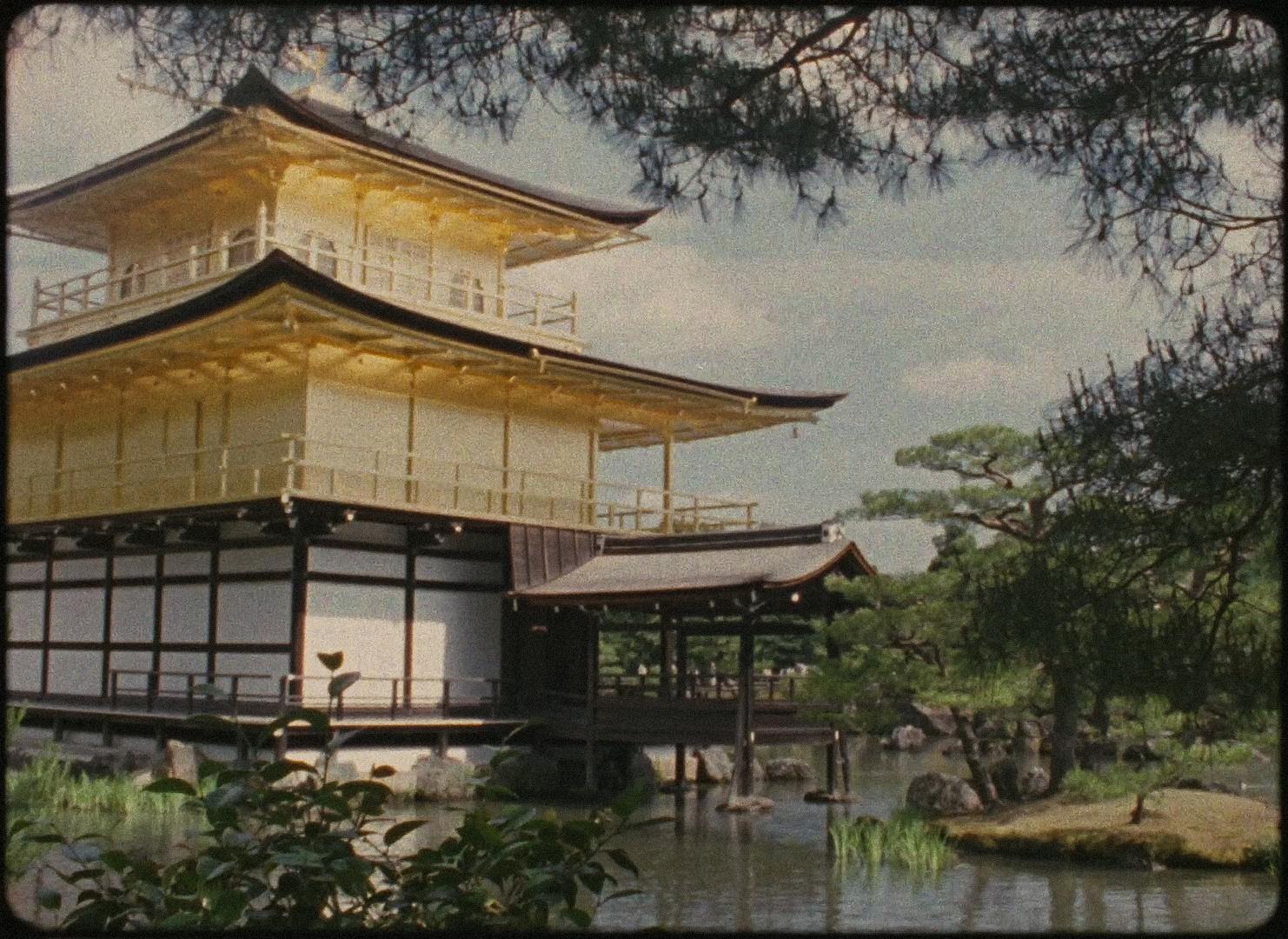
The documentary feature film The Pavilion On The Water is a cinematic journey into the world of Venetian architect Carlo Scarpa and his passion for Japanese culture. Japan, to him, was an inspirational universe but also the place where he eventually died in 1978, at the height of his career, while retracing the steps of wandering poet Matsuo Bashō.
Through the words of Japanese philosopher Ryosuke Ōhashi, the film
unfolds and quests after the sense of beauty. It is the possibility of reflecting on this matter that brings together Scarpa's work and Japanese traditional aesthetic.
Venice, the West's gateway to the East as well as Scarpa's birthplace, and a cinematic look at the architect's work jointly represent the chance to evoke aspects of his life through the words of his son Tobia, his former students and collaborators and researcher J.K. Mauro Pierconti.
A nostalgic feeling permeates the whole film. Nostalgia for that rare event which is the birth of an artist. Although he passed away, he left behind a great and beautiful body of work that, still to this day, delights and amuses.
CARLO SCARPA
The Pavilion on the Water is a passionate portrait of Carlo Scarpa, the most sophisticated Italian architect of the twentieth century. Born in Venice in 1906, Scarpa was a charismatic and unconventional figure. In constant dialogue with the classic and avant-garde
tradition, with his work he discarded the use of industrial processes to favour old artisanal techniques.
Scarpa created polished visual and tactile symphonies, connecting architectural design to sculpture and painting. Architecture for Scarpa was a living space and the living itself was a form of art. Scarpa’s work was always conceived to pursue beauty. Graduated in Architectural Design from the Accademia delle Belle Arti of Venice before a proper bachelor’s degree course was instituted, he had to face critics throughout his life about the legitimacy of his work.
His activity ranged from craftsmanship to museum installation, from renovation to architectural design. During the fascist regime, he mainly worked as a glass master at various Murano’s furnaces, leaving behind extraordinary glassworks of rare beauty. He then worked as a museum curator liaising with the work of Italian masters such as Antonello da Messina, Canova, Tiepolo, etc) and also contemporary artists like Klee, Mondrian, Fontana, etc). Every installment was for Scarpa a chance to research and ultimately pursue a critical interpretation of the artworks. Give art the chance to talk as a chance to express yourself: thanks to Scarpa, the practice of presenting art in museums was changed forever. At the same time, Scarpa’s work as a museum’s renovator is extraordinary for its modernity and results as it manages to create an aesthetic tension that aims to revalue the historical building and context in which it was built, brining to life certain relationships between the building and the city in which it sits that were never seen before.
Directors: Stefano Croci & Silvia Siberini
Languages: Italian, Japanese with English subtitles
Length: 78 min.
ITA/NL/UK 2023
ㅤ