Architects should not remain on the receiving end of policy, but understand law and policy as material of design – something to be studied, questioned and worked with the same way any other architectural design task is.
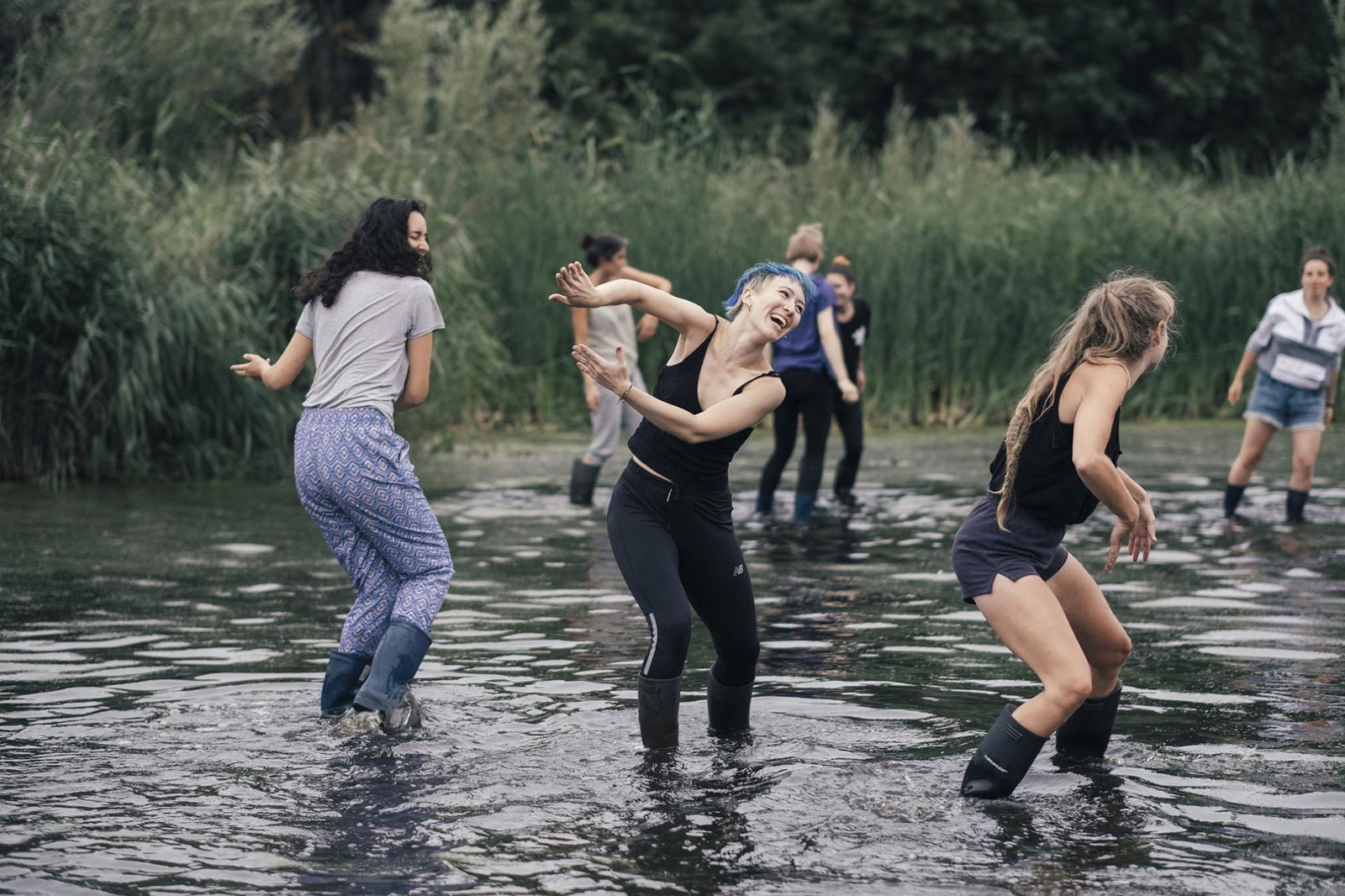
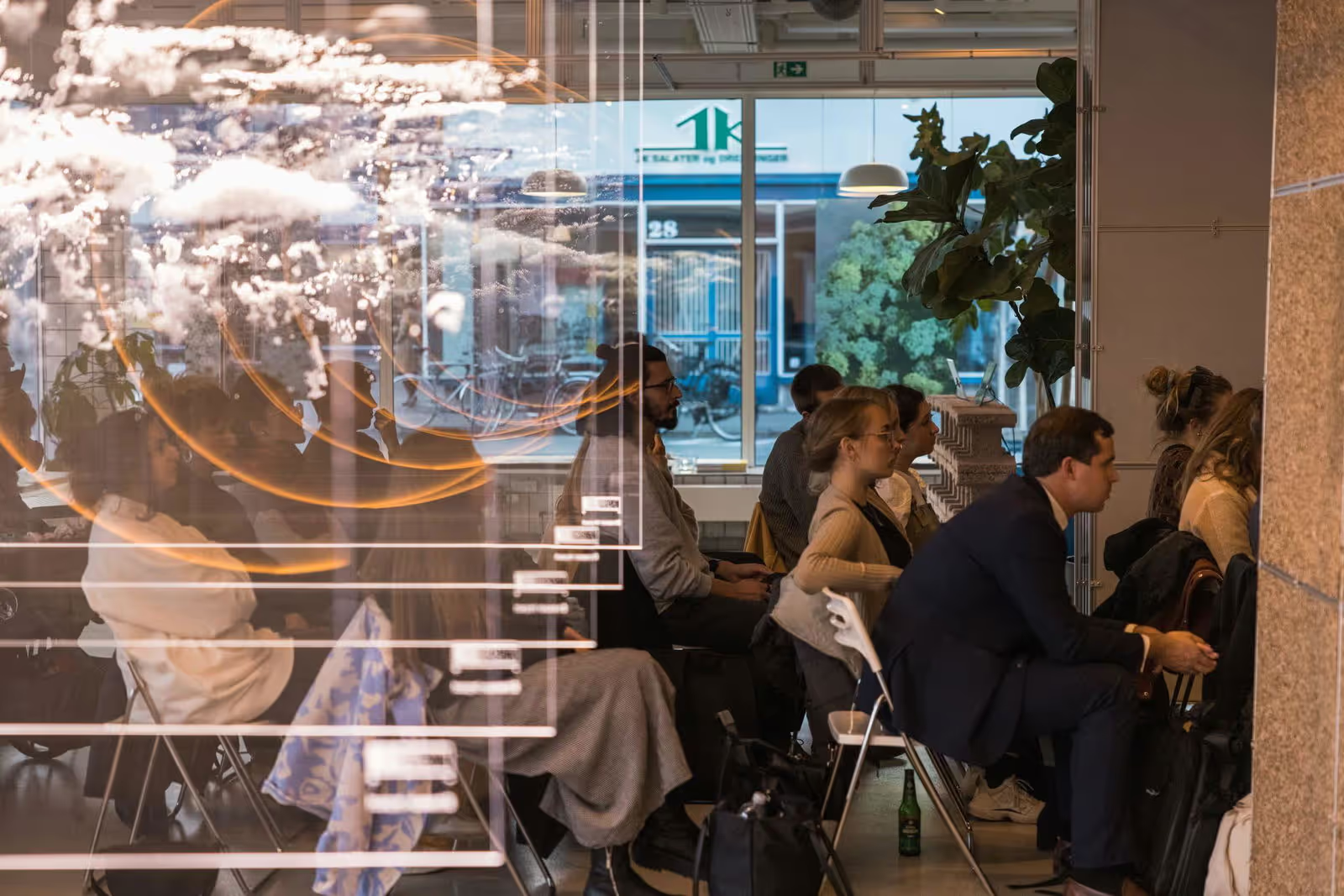
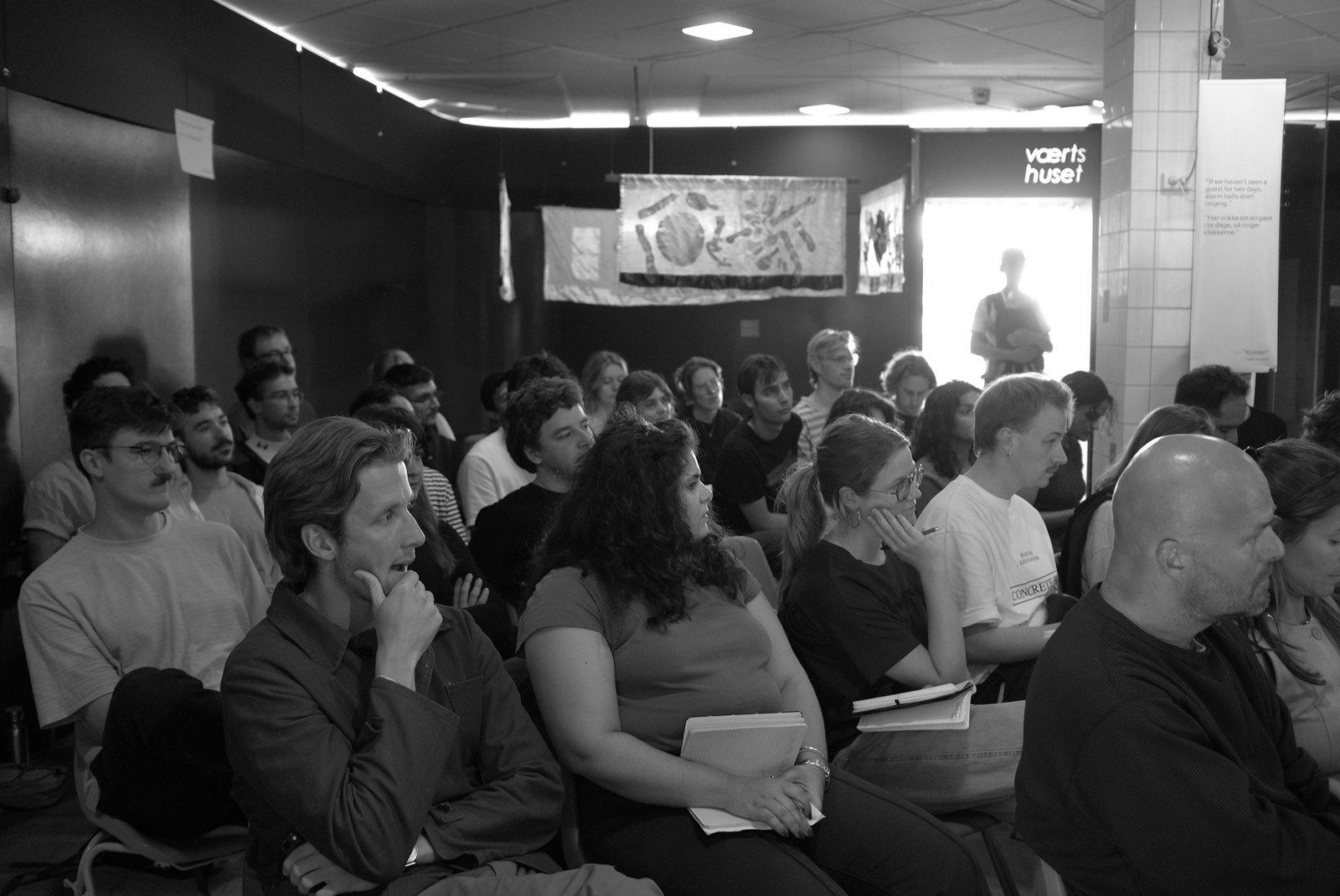
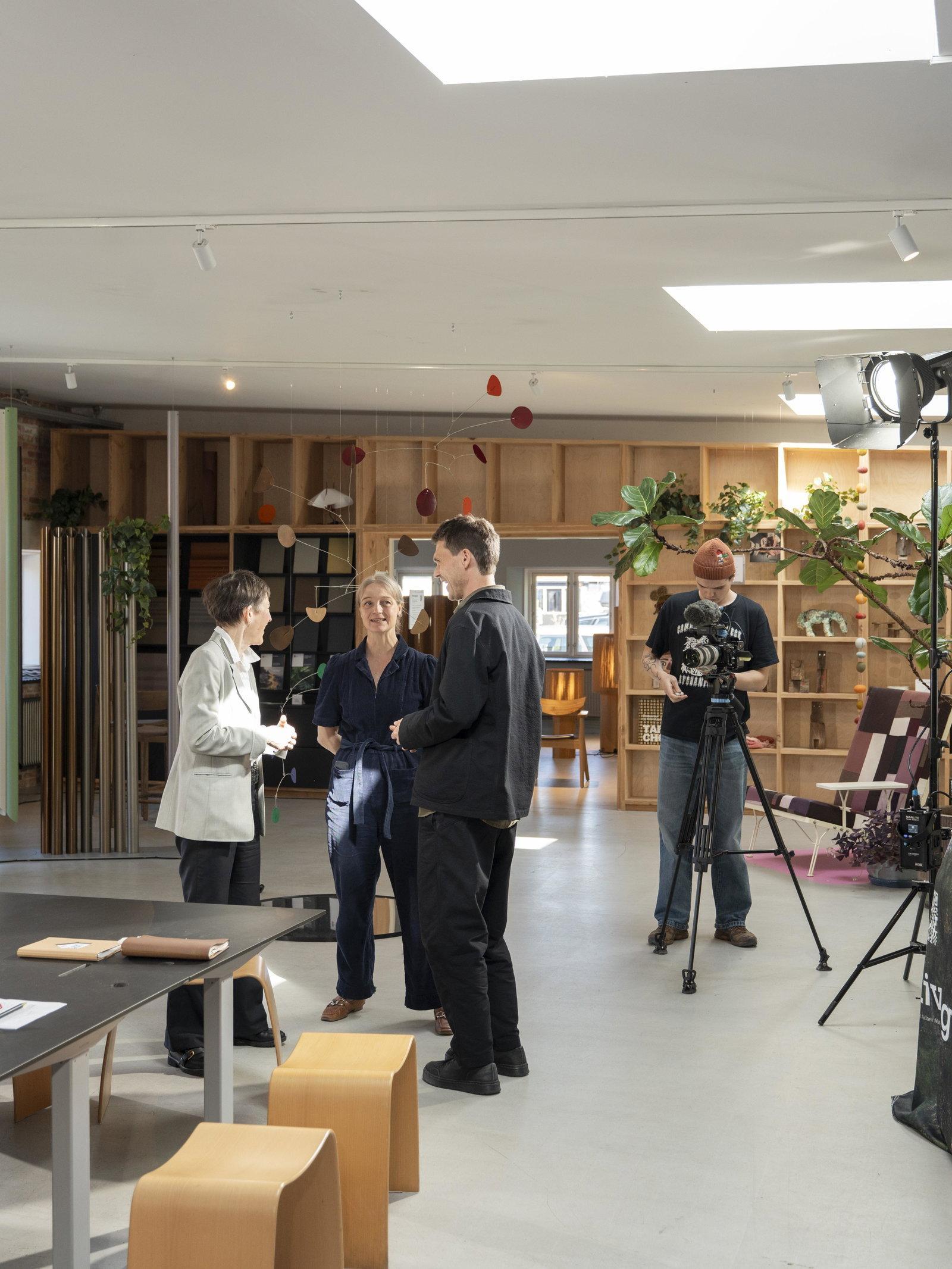
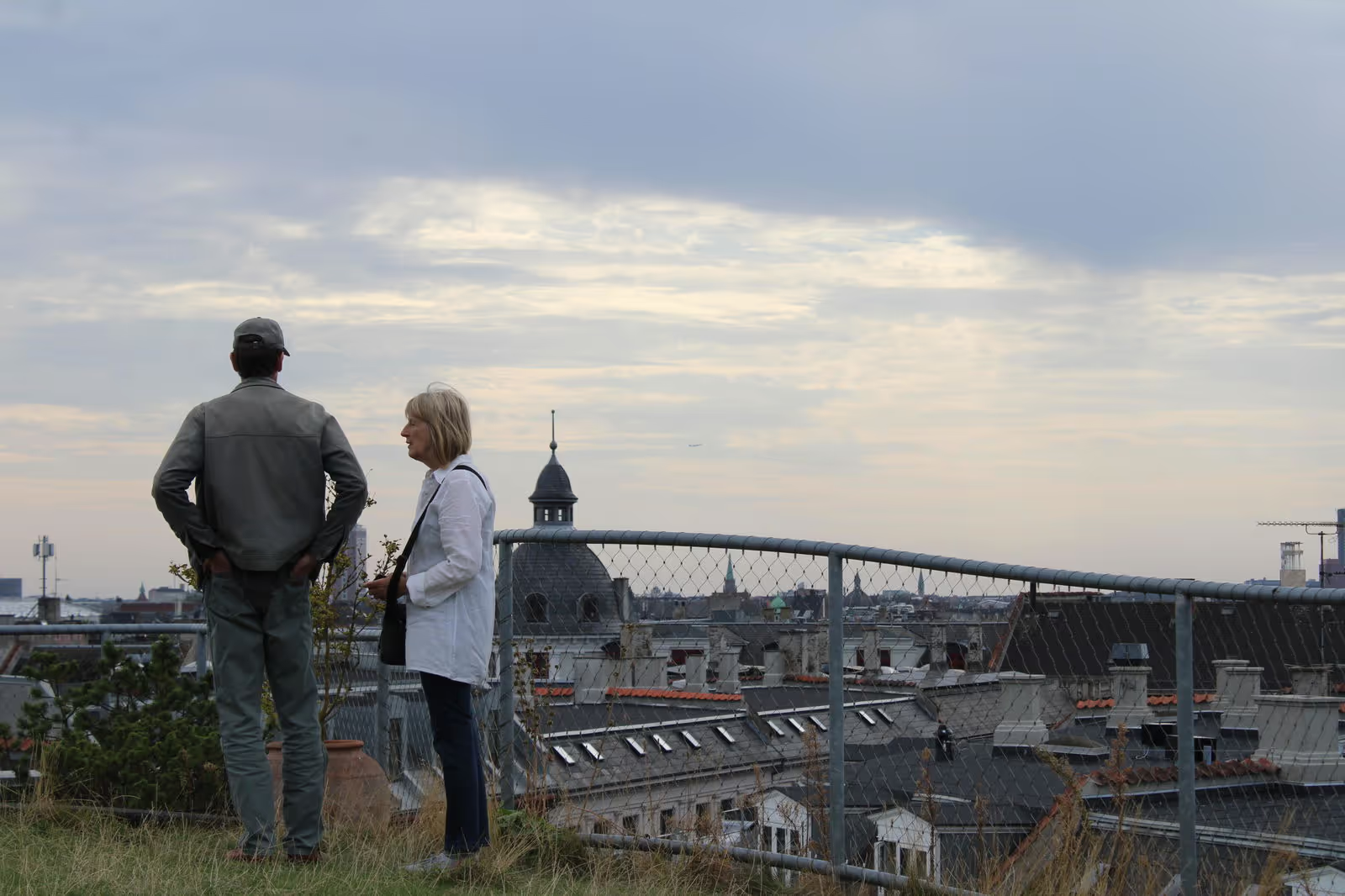
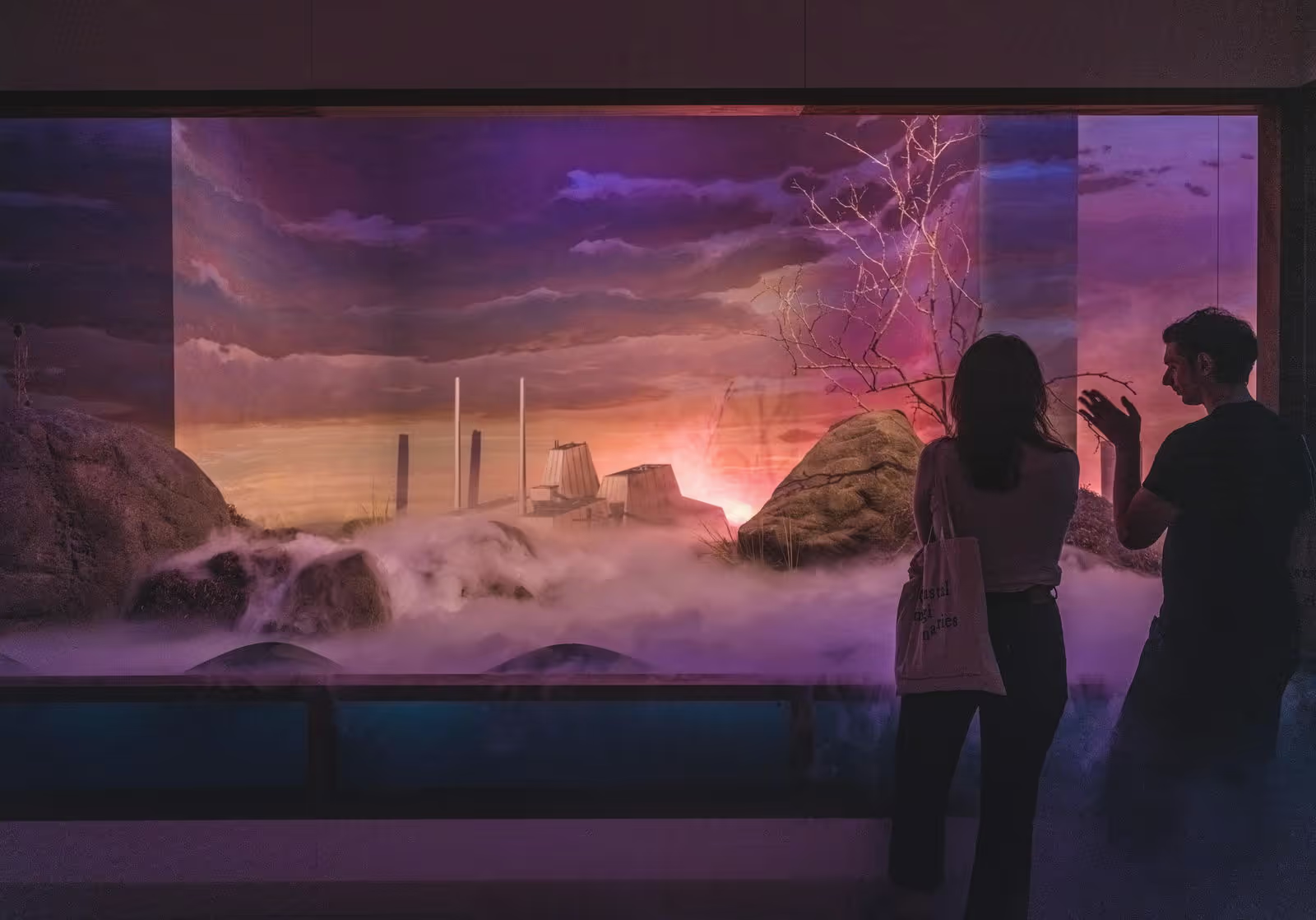
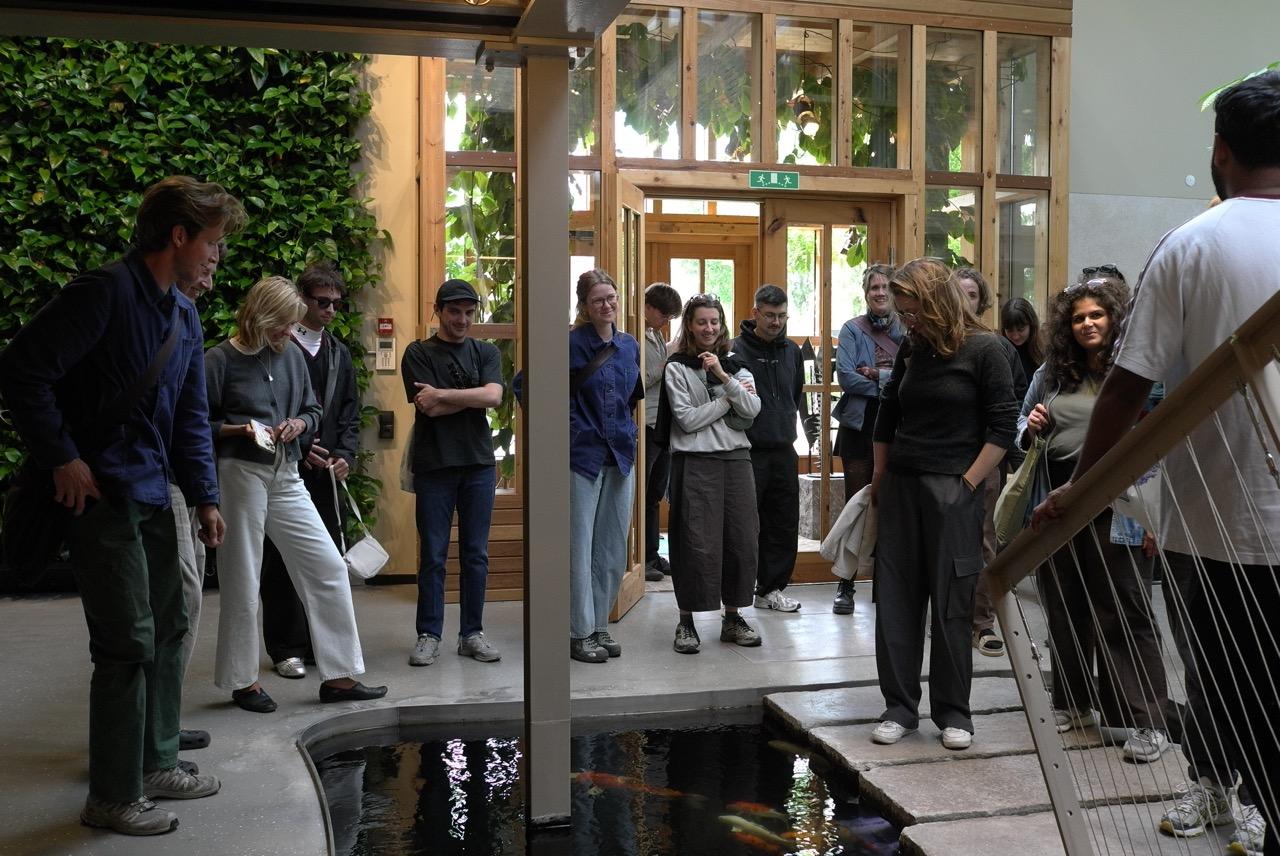
A few weeks ago, 19 fellows came together in Copenhagen for an intense week of talks, conversations, studio visits and more. Over the course of the week, the fellows met directly with stakeholders from across the field. Among others: Lendager, Nexus Advokater, Ramboll, Tscherning, Henning Larsen, COPI, Dansk Standard.
The only way to create change is to meet across disciplines and differences. And that was exactly what the fellows did. The fellowship was focused on a Danish context. But know the knowledge lives on with the fellows bringing it back to each their geographic, architectural and legislative environment.
Below you can read some short Q&A’s with three of the fellows
Eglė Kliučinskaitė / Advisor Ministry of Environment Lithuania and lecturer at Vilnius Academy of Arts:
What made you apply for the fellowship?
I come from Vilnius, Lithuania, where I do my artistic research as well as work as an advisor to the ministry on circular construction. That's why the intersection of design and legislation has recently been a driving force of my practice. That same intersection of law and architecture attracted me to take part in the fellowship – it seemed like a rare but really significant opportunity. Moreover, the context of Denmark strongly intrigued me, as it is considered as one of the frontrunners in circular construction practice.
How has the fellowship changed your thinking?
This fellowship served as a big inspiration and motivation to keep looking for new ways of working within the field of architecture. The week-long gathering gifted me with like-minded people and hope that change in the construction sector could be possible.
What has it meant to meet across disciplines and to engage with all the stakeholders in the field?
It was a valuable experience of bringing different perspectives together. These meetings with various stakeholders allowed me to understand the complexity of the existing situation as well as the interconnected possible solutions. Additionally, this week illustrated the emerging role of the architect as a possible changemaker through systems thinking and the facilitation of different perspectives.
How are you looking to implement learnings in your own practice/thinking/activism?
I come from Vilnius, Lithuania, where I do my artistic research as well as work as an advisor to the ministry on circular construction. That's why the intersection of design and legislation has recently been a driving force of my practice. That same intersection of law and architecture attracted me to take part in the fellowship – it seemed like a rare but really significant opportunity. Moreover, the context of Denmark strongly intrigued me, as it is considered as one of the frontrunners in circular construction practice.
Karen Steukers / PhD Researcher at UGent & VUB:
What made you apply for the fellowship?
I have been following HouseEurope for a while and strongly align with their proposals. My PhD research on the implementation of building component reuse in public procurement is situated at the cross-section of law and architecture which fully resonated with the fellowship’s program. However, I wanted to broaden my background in policy-making and therefore working together with multiple disciplines, while focusing on the specific case of Extended Producer Responsibility attracted me.
How has the fellowship changed your thinking ?
This week has underlined the importance of advocacy and political involvement within and beyond the architecture field. Our discussions taught me that expertise is and should be there, but will only be implemented in practice when it is translated to other disciplines and the public understandably. Narrative becomes an important tool when it comes to making your goals relevant for others.
What has it meant to meet across disciplines and to engage with all the stakeholders in the field?
It was very enriching to have a week packed with extremely open and honest discussions. The stakeholders’ perspectives helped to identify barriers. Furthermore, other people’s curiosity is contagious and enables you to explore certain viewpoints in depth in a relatively short space of time.
How are you looking to implement learnings in your own practice/thinking/activism?
“Quiet quitting is not the answer. Loud dedication is...” is a quote (out of context) that really stuck with me. The dedication for reuse, for stopping demolition, has already been with me for several years, but after this week I learnt new ways of being loud about it, as well as involve others in it.
Henri Albers, Master of Architecture and Urban Design
What made you apply for the fellowship?
Within my architectural studies I worked around topics of unbuilding, suburbia and carbon modernity. The brief of this fellowship correlated directly to my own work. Hence I applied with the goal of taking this unique opportunity to connect to actors within the system.
How has the fellowship changed your thinking?
Currently, the hegemony of the construction industry shapes most of the narrative around the built environment. In our respective works, it often tends to feel as if you are alone. Meeting the other fellows, was an eye-opening moment I believe for most of us. We all work through our own lenses around the same issues. Our shared commitment gave me hope that change is possible.
What has it meant to meet across disciplines and to engage with all stakeholders in the field?
The construction industry is still functioning on post-war growth mentalities. It is closed off. As a private citizen to enter these frameworks and actually hear from stakeholders is nearly impossible. So to get this small peak behind some of the workings of the industry that touches everyone in society and spans across global networks was immensely valuable.
How are you looking to implement learnings in your ownpractise/thinking/activism?
To change the narrative, long term visions are needed. One finding from this week is that the rules and decisions are all cultural – this reframes the potential for change. I’m committed to remaining connected with the other fellows and use the insights of this week to continue building upon my work in unbuilding and carbon modernity.
The fellowship was made possible with the collaboration of Olaf Grawert and HouseEurope! And the support from Statens Kunstfond, DREYERS FOND and our Profile Partner, VELUX
Post Notes